More
    Home Blog Page 15

    15 Best Outdoor Affiliate Programs In 2025

    outdoor affiliate programs

    Are you looking to monetize your outdoor-focused website or blog?

    Look no further!

    In this comprehensive guide, we’ll explore the top outdoor affiliate programs that offer lucrative opportunities for affiliate marketers.

    From camping gear to hiking equipment, these affiliate programs cater to a wide range of outdoor enthusiasts, allowing you to earn commissions while promoting products you’re passionate about.

    Whether you’re a seasoned affiliate marketer or just starting out, discovering the best outdoor affiliate programs can significantly boost your revenue and enhance your online presence.

    Best Outdoor Affiliate Programs.

    Here are the best outdoor affiliate programs:

    1. REI.

    rei affiliate program

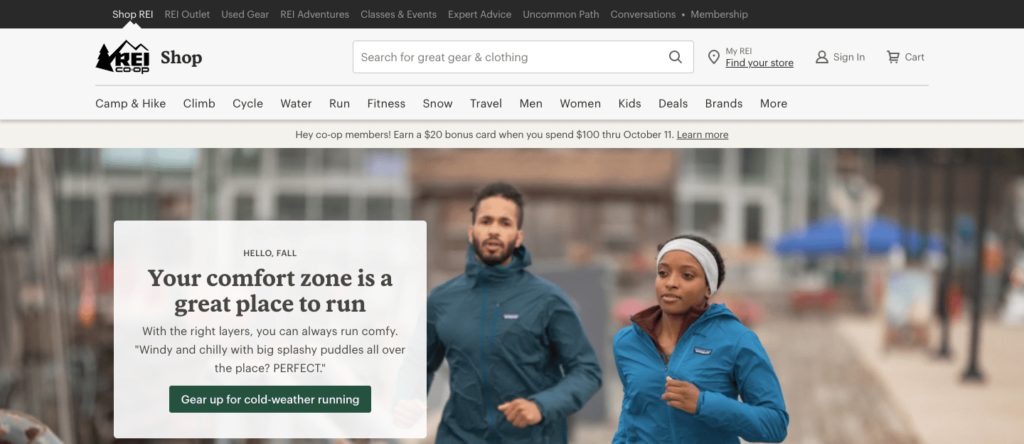
    Since its foundation in 1938, REI Co-op has been a cornerstone of the outdoor sector, attracting a large and devoted customer base by offering a comprehensive choice of luxury items as well as expert advice on outdoor gear and activities.

    In addition to its well-known retail products, REI Outlet attracts wise consumers with discounts ranging from 20% to 70% on brand-name closeouts, overstocks, and second-hand items.

    The combination of REI’s prestigious reputation and wide product offering makes its affiliate marketing program an unmissable prospect.

    While the usual commission rate of 5% may appear modest, it’s worth noting that REI has an average order value of more than $120, which increases the earning potential for affiliate marketers.

    Furthermore, REI’s offer of free shipping for orders over $50 serves as an incentive to boost affiliate-driven sales.

    2. Backcountry.

    Backcountry

    Backcountry is a top destination for high-quality outdoor gear across a wide range of categories and activities, including backpacking, camping, skiing, snowboarding, rock climbing, kayaking, and mountaineering, among others.

    Backcountry takes pride in offering well-known brand names such as Marmot, The North Face, and Patagonia, as well as a vast selection of snowboarding gear, sleeping bags, trekking poles, and almost every other outdoor requirement.

    The hallmark of Backcountry’s success is its unparalleled customer service, which is provided by its acclaimed Gearheads – specialist staff with extensive knowledge of numerous outdoor disciplines, such as fly-fishing equipment, SUPs, and road-bike accessories.

    Backcountry’s affiliate program follows industry standards, with an 8% commission rate and a 30-day cookie duration.

    Nonetheless, high-performing affiliate marketers might earn from compensation rates that exceed 10%.

    3. Patagonia.

    patagonia affiliate program

    Despite its current reputation as a household name, Patagonia began as a niche brand that produced rock climbing tools.

    While maintaining dominance in the climbing industry, Patagonia has expanded its offerings to include a wide range of outdoor activities such as skiing, snowboarding, surfing, and trail running.

    Notably, ethics is a cornerstone of Patagonia’s culture, as proven by its pledge to donate time, services, and at least 1% of its revenues to grassroots environmental organizations across the world.

    Among the numerous affiliate networks, Patagonia is among the outdoor businesses that use the Avantlink network for affiliate sales tracking.

    Affiliate marketers can make an 8% commission on all sales, with an average order value of more than $150 and a conversion rate of 5.5%.

    4. Osprey.

    osprey affiliate program

    Osprey is best known for their premium backpacks, but the company also offers a wide selection of gear designed for hiking, riding, commuting, and vacationing.

    A distinguishing characteristic of Osprey backpacks is the brand’s limited lifetime warranty, which guarantees free repairs for any damage or flaws, regardless of the age of the pack.

    This warranty provides a compelling incentive to click on affiliate links.

    In addition to its respected product range, Osprey’s affiliate program pays an 8% base commission for each sale referral, with an average order value of more than $150, offering excellent earning opportunities for affiliate marketers.

    Furthermore, Osprey regularly offers seasonal promotions and deals, expanding the marketing resources available to affiliate marketers.

    5. Marmot.

    marmot affiliate program

    Marmot began as a mountaineering-themed social club and has grown into a well-known manufacturer of outdoor gear and clothing since the 1970s.

    Marmot’s affiliate program, operated by CJ Affiliate, provides an opportunity for affiliate marketers to promote outdoor gear and apparel to their target demographic.

    Affiliate marketers can receive an 8% commission on all sales facilitated during the 90-day cookie period.

    Marmot provides affiliates with a plethora of marketing resources, including graphics, logos, and display banners, which improve the effectiveness of affiliate promotional efforts.

    6. Camping World.

    camping world affiliate program

    Camping World, founded in 1966, specializes in supplying a wide choice of RV accessories and other specialty products for outdoor lovers.

    Camping World serves a large and active target group, with over 10 million households in the United States Of America owning recreational vehicles and roughly 17.2 million households expressing an interest in purchasing one.

    Camping World began as a single location in Bowling Green, Kentucky, and has since grown to become America’s largest recreational vehicle retailer, with over 160 Camping World and Gander RV & Outdoor SuperCenters nationwide.

    Furthermore, Camping World has established a strong online presence, offering various premium products for RVs, camping, towing, and outdoor living on its website.

    It also makes it easier to buy both new and old recreational vehicles.

    While many of its products are more expensive, Camping World’s 6% commission rate provides a lucrative opportunity for affiliate marketers, despite the likelihood of fewer RV sales.

    7. North Face.

    the north face affiliate program

    The North Face (TNF) began in 1968 as a specialized outdoor equipment store in San Francisco and has since grown to become a well-known provider of performance clothes and equipment for a wide range of outdoor activities.

    TNF, known for its famous emblem that represents California’s Half Dome peak in Yosemite National Park, now offers a variety of activities in addition to its signature outdoor apparel, including trail running, winter sports, and yoga.

    TNF receives broad appreciation and loyalty, having been celebrated by celebrities such as Drake and even collaborating unexpectedly with luxury labels like Gucci.

    While TNF’s affiliate program pays a 5% commission and has a seven-day cookie period, the brand’s strong reputation is expected to drive a large sales volume for affiliate marketers.

    8. Hyperlite Mountain Gear.

    hyperlite mountain gear affiliate program

    Hyperlite Mountain Gear (HMG) focuses on producing tough, lightweight outdoor gear for climbers, trekkers, and hikers.

    HMG, founded in 2009 by siblings Mike and Dan St Pierre, strives to be a pioneer in the lightweight gear market, with distinctions like Editor’s Choice Awards and widespread coverage in prestigious publications such as Backpacker and Outdoor Gear Lab.

    HMG operates its affiliate program through Avantlink and offers a tempting 10% commission rate, which is further enhanced by an exceptional average order value of over $350, increasing the earning potential for affiliate marketers.

    9. Cabela’s.

    cabelas affiliate program

    Cabela’s, a subsidiary of Bass Pro Shops, specializes in offering apparel and gear for numerous outdoor sports such as fishing, shooting, hunting, and boating, as well as a large selection of camping products.

    While Cabela’s core presence is in the United States Of America, the company serves a global customer base, with mail-order catalogs distributed to all 50 states and beyond.

    Despite its broad reach, Cabela’s affiliate program has simple terms, including a 14-day cookie period and commission rates ranging from 1% to 3%.

    However, affiliate marketers benefit from a range of creative resources, monthly emails, and dedicated support from an affiliate management staff.

    10. Outdoorsy.

    outdoorsy affiliate program

    Diverging from traditional outdoor gear, Outdoorsy serves as a platform similar to Airbnb, allowing people to rent recreational vehicles.

    Outdoorsy is widely popular, with over 1.2 million customer interactions and an astounding 93% five-star review rating.

    Outdoorsy, like Airbnb, has a varied range of products, including vintage Airstreams, trailers, and RVs, providing tourists with a unique housing experience.

    Outdoorsy’s affiliate program compensates affiliate marketers for driving new bookings and creating new listings from RV owners, with a base commission of $60 for each qualifying action, similar to the now-defunct Airbnb affiliate program.

    11. EVO.

    evo affiliate program

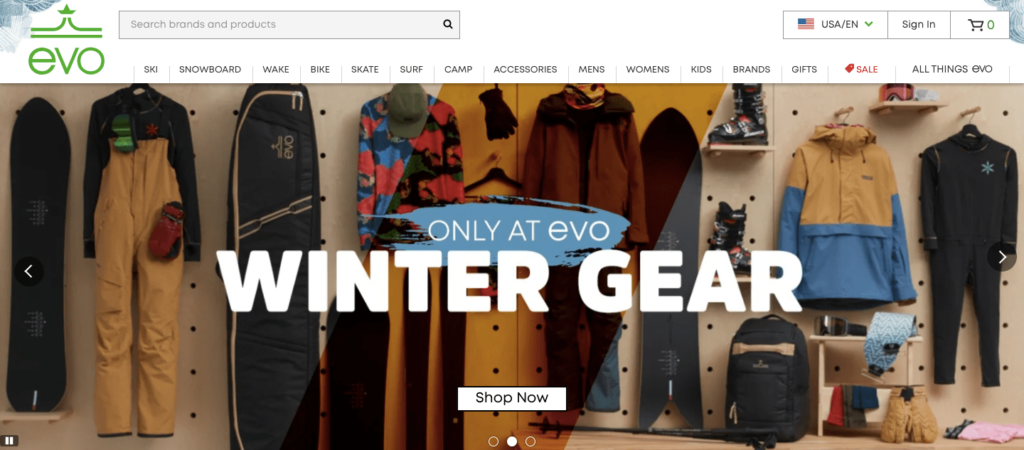
    EVO has been a major player in the outdoor sports equipment, accessories, and apparel market for more than two decades, dating back to founder and pro skier Bryce Phillips’ humble beginnings in a dorm room.

    Originally created to support his skiing adventures and trips, EVO has since expanded its products beyond snow sports to include wakeboarding, biking, skating, surfing, and camping gear.

    Similar to the REI model, EVO offers substantial discounts of up to 65% on top-tier products, attracting budget-conscious outdoor enthusiasts.

    While its affiliate program pays a typical 5% commission on sales, it compensates with frequent sales and promotions designed to increase conversion rates.

    Furthermore, consumers benefit from free shipping on orders over $50.

    12. Outdoor Voices.

    outdoor voices affiliate program

    Outdoor Voices (OV), founded in 2013 in New York and now headquartered in Austin, has gained a reputation for producing high-quality athletic clothing.

    Outdoor Voices, which was first known for its “kits” (bundled sets of shirts and bottoms), has expanded its product line while maintaining its emphasis on quality and versatility.

    Despite the appeal of multi-buy discounts, which boost average orders and subsequent earnings, OV’s affiliate program rules are fairly disappointing, with a 2% commission rate and a 14-day cookie period.

    However, the brand strives to facilitate sales by offering free returns and free shipping on orders over $75.

    13. RVShare.

    rvshare affiliate program

    RVShare emerges as a major participant in the RV rental industry, claiming to be the “world’s first and largest peer-to-peer RV rental marketplace.”.

    With a countrywide presence catering to over 60,000 RV owners, RVShare provides numerous options for affiliate marketers to benefit from the booming RV rental industry.

    RVShare operates a dual-pronged affiliate program, similar to Outdoorsy, and offers commissions on both:

    • 5% for every completed stay.
    • $7+ for each new RV listing.

    While the commission structure may appear less appealing when compared to competitors such as Outdoorsy, RVShare’s average booking value of $950 presents a lucrative earning opportunity for affiliate marketers.

    In addition, the platform provides affiliate marketers with a variety of marketing tools, such as product feeds, text links, and banner creative, to help them reach out to outdoor adventure enthusiasts.

    14. Outdoor Gear Exchange.

    outdoor gear exchange affiliate program

    Outdoor Gear Exchange prides itself on its vast range of products, which cater to a variety of outdoor activities.

    Outdoor Gear Exchange wants to serve outdoor enthusiasts of all levels, offering everything from expensive, well-known brands to more affordable solutions.

    Despite its emphasis on affordability, the business maintains a strong average purchase value of $130, helped by the lure of free shipping on orders over $49.

    Affiliate marketers will profit from a competitive 6% commission on sales referred within a 30-day cookie period, backed up by the attentive help of a responsive affiliate program manager.

    15. Gear Coop.

    gear coop affiliate program

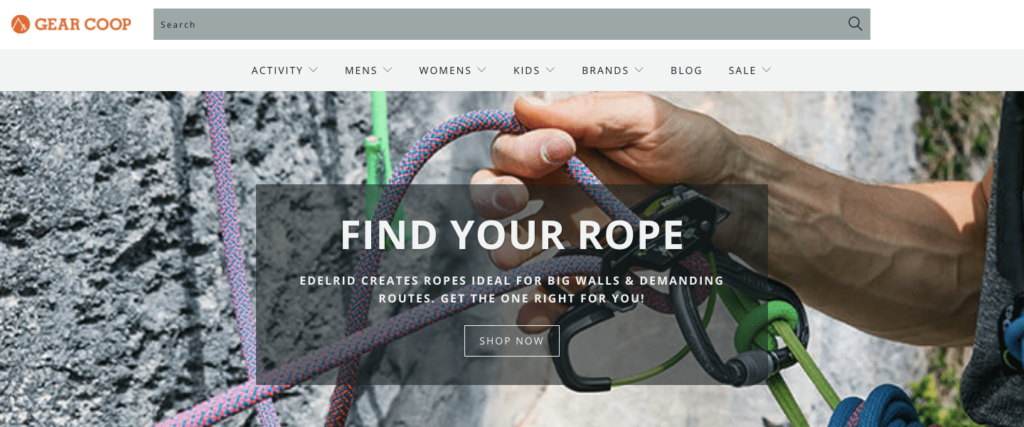
    While unverified, Gear Co-op claims to be the first national outdoor retailer to offer free two-day delivery, return shipping, and a limited lifetime warranty, showing its commitment to customer satisfaction.

    Gear Co-op, with an amazing portfolio of renowned outdoor brands such as Adidas Outdoor, Arc’teryx, Patagonia, and Marmot, positions itself as a premier destination for outdoor enthusiasts.

    Gear Co-op’s affiliate program, which runs through Avantlink, offers tiered commissions ranging from 7% on sale and clearance items to 9% on clothes and footwear, with top-performing affiliate marketers eligible for premium commission rates reaching 11%.

    Gear Co-op, with a high average order value of more than $120 and a lengthy 120-day cookie period, presents a compelling opportunity for affiliate marketers looking for lucrative partnerships in the outdoor retail industry.

    Conclusion.

    The world of outdoor affiliate programs presents a vast array of opportunities for marketers to capitalize on their niche expertise and passion for the great outdoors.

    By partnering with reputable brands and promoting high-quality products, you can not only earn generous commissions but also provide valuable recommendations to your audience.

    Remember to continuously monitor and optimize your affiliate marketing strategies to maximize your earnings potential.

    With dedication, creativity, and a deep understanding of your target audience, you can leverage the best outdoor affiliate programs to achieve long-term success in the ever-growing world of affiliate marketing.

    Start exploring these programs today and embark on a rewarding journey towards financial freedom and professional fulfillment.

    10 Best Printing Affiliate Programs In 2025

    printing affiliate programs

    Looking to monetize your website or blog through printing-related affiliate programs?

    Whether you’re a blogger, influencer, or website owner in the printing niche, finding the best affiliate programs can significantly boost your revenue.

    In this comprehensive guide, we’ve curated a list of the top printing affiliate programs, offering lucrative commissions, high-quality products, and excellent support.

    From personalized stationery to professional printing services, these programs cater to various audiences, ensuring ample opportunities for affiliate marketers to capitalize on.

    Dive in to discover the best printing affiliate programs to elevate your monetization strategy and maximize your earning potential.

    Best Printing Affiliate Programs.

    Here are the top printing affiliate programs:

    1. Printful.

    printful homepage screenshot

    Printful stands out as a premier custom print-on-demand platform, incorporating embroidery services.

    With an extensive catalog comprising 437 premium blank products – from mobile phone cases to apparel and accessories – Printful delivers over 1 million items monthly, all branded under the customer’s label and shipped within two to five business days.

    The affiliate program at Printful offers a competitive 10% commission on orders made by referred customers within a nine-month window.

    Commissions are based on the fulfillment price, excluding taxes and discounts.

    Printful’s affiliate program has already distributed over $2.17 million in commissions, paid monthly through PayPal once the $25 threshold is met.

    To enhance affiliate performance, Printful provides marketing materials, real-time tracking, high-quality banner ads, and content ideas.

    The program also boasts an expert affiliate management team and an exclusive Facebook community.

    The application process takes two to five days for review, with notifications sent via email.

    2. Printify.

    printify homepage screenshot

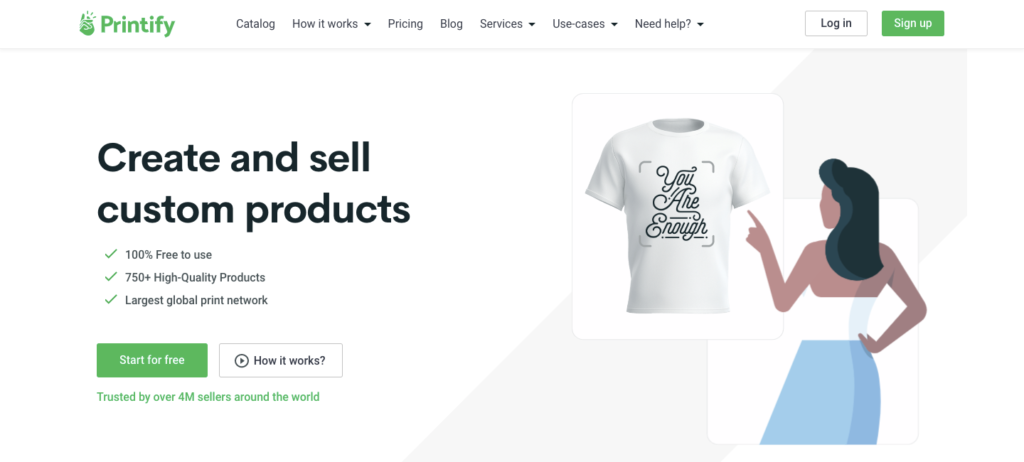
    Printify, a leading dropshipping and print-on-demand company catering to e-commerce businesses, empowers users with free graphic design tools to customize 750+ blank products effortlessly.

    With over four million sellers worldwide, Printify allows the creation of entire clothing lines or collections.

    Printify’s printing affiliate program is managed via PartnerStack and it offers a substantial 5% commission on sales made by referrals for 12 consecutive months, supported by a generous 90-day cookie window.

    Active affiliate marketers with Printify boast an average monthly commission of $1,000, with payments made into their PayPal accounts monthly.

    To help affiliates, Printify provides promotional materials, including custom codes upon request.

    Applications are reviewed within 48 business hours and require an active affiliate website link for consideration.

    3. Printbest.

    printbest homepage screenshot

    Printbest emerges as a user-friendly print-on-demand platform, enabling the addition of designs to 100+ custom product types for efficient dropshipping across the US and Canada.

    With competitive pricing, Printbest collaborates with platforms like Etsy, Shopify, and WooCommerce, with additional integrations planned.

    The Printbest affiliate program is accessible through PostAffiliatePro and offers a 30-day cookie window and an enticing 10% commission on orders from store owners for a year post-click.

    Registration is streamlined through a brief online form, completed in just five minutes.

    4. Pictorem.

    pictorem homepage screenshot

    Pictorem distinguishes itself as an online business providing white-label acrylic metal and mural printing services, offering a vast collection of fine art prints.

    With a commitment to sustainability, Pictorem supports Trees for Future by planting a tree for every print sold, ensuring global shipping.

    Pictorem’s affiliate program features a straightforward registration process and a flat 15% commission on all sales.

    While open to affiliates worldwide, the product selection primarily targets North American audiences, with commissions paid in US dollars.

    Payments can be requested via PayPal or wire transfer, the latter requiring a $500 threshold and a $50 transfer fee.

    Affiliates benefit from Pictorem’s marketing materials, including banner ads and valuable affiliate marketing tips.

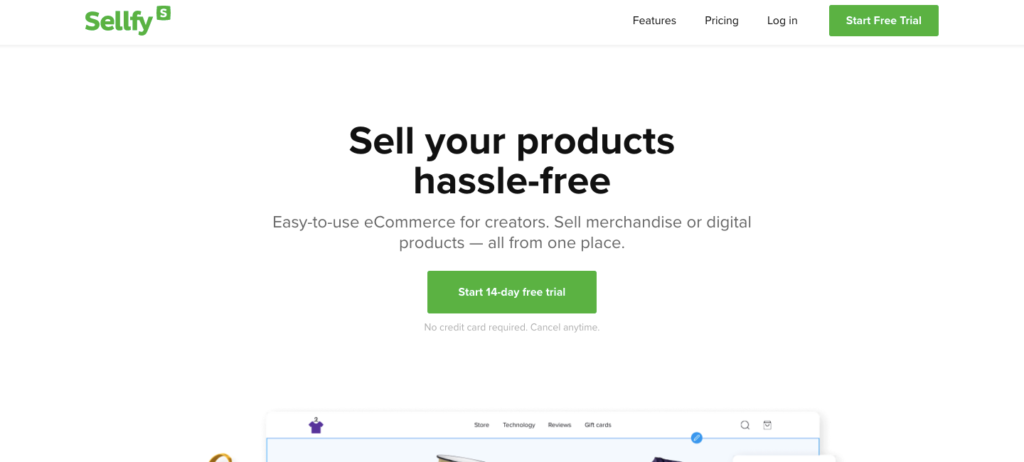
    5. Sellfy.

    sellfy homepage screenshot

    Sellfy emerges as a robust e-commerce platform facilitating apparel and accessories sales for over 300,000 creators worldwide.

    With a built-in print-on-demand service, Sellfy automates order printing and shipping, resulting in creators earning over $100 million through the platform.

    Sellfy’s printing affiliate program, managed by PartnerStack, boasts a generous 90-day cookie window and offers a baseline 25% recurring lifetime commission per sale.

    Dynamic commission tiers further reward higher-performing affiliates, with super affiliates that are capable of driving 100+ monthly sales qualify for custom commission rates.

    • 6 – 15 sales monthly pay 30%
    • 16 – 40 sales monthly pay 35%
    • 41+ sales monthly pay 40%

    Commissions are calculated and paid every month using PayPal or Stripe.

    Sellfy supports affiliates with various resources, including promotional ideas and valuable affiliate marketing tips to enhance traffic.

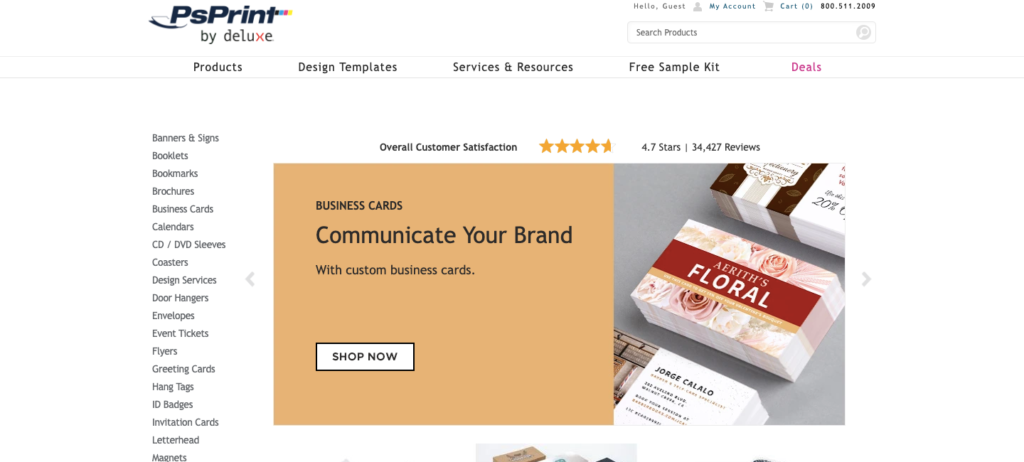
    6. PsPrint.

    psprint homepage screenshot

    PsPrint operates as an online printing service, offering a diverse range of printed materials, such as booklets, brochures, business cards, and banners.

    It is affiliated with Deluxe Corporation, overseeing brands like New England Business Services, McBee, and Checks Unlimited.

    To ensure customer satisfaction, PsPrint provides free sample kits, allowing users to assess the quality of paper stocks before making a purchase.

    G7-certified, the company ensures designs appear consistent both on-screen and in reality.

    PsPrint’s affiliate program, accessible through ShareASale, boasts a 60-day cookie window and a standard 8% commission.

    Notably, new affiliates earn double commissions for their initial 30 days, while sales converting within five minutes yield a reduced 4% commission.

    ShareASale’s 30-day tracking reveals an impressive $336.22 average order value, a notable EPC of $395.85, and an outstanding 10.43% conversion rate.

    To support affiliates, PsPrint offers diverse marketing materials, including newsletters with the latest products and promotions.

    Additionally, an experienced affiliate management team enhances the overall affiliate experience.

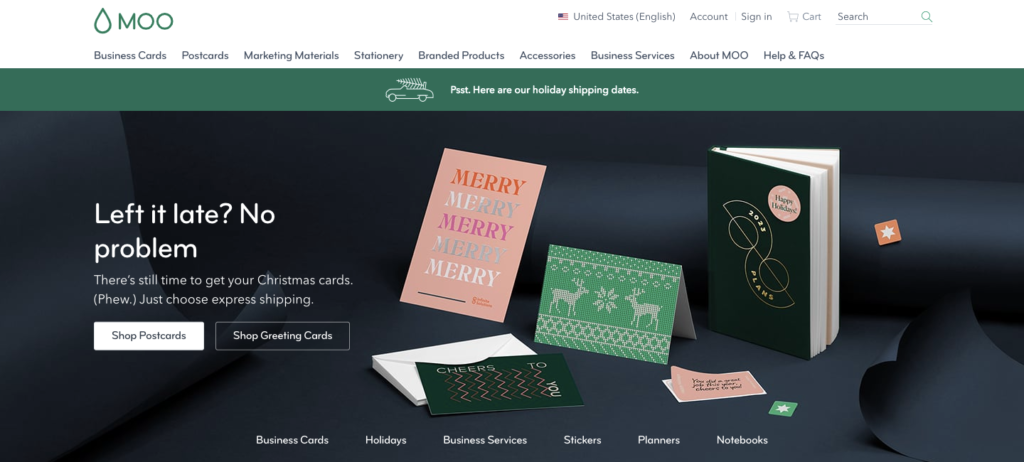
    7. MOO.

    moo homepage screenshot

    MOO stands out as an online printing service specializing in business cards, greeting cards, postcards, letterheads, and flyers.

    The company ensures high-quality printing for both small and bulk orders, accompanied by a satisfaction guarantee.

    MOO’s affiliate program is available on Awin and CJ Affiliate, each with distinct terms and conditions.

    CJ Affiliate provides a 45-day cookie window, offering 2% on free trial orders, 8% on new customer sales, and a $15 bounty payment for business services leads, with a three-month EPC of $45.98.

    Meanwhile, Awin compensates with £5 for new customer orders, £0.60 for existing customers, and a generous £200 bounty for new Moo for Business accounts, featuring a 30-day cookie period.

    Network Commission Cookie Duration Market URL
    CJ Affiliate 2%–8%; $15 per lead 45 days US, CA Sign Up
    Awin £0.60 – £200 per sale 30 days Unlisted Sign Up

    8. Vistaprint.

    vistaprint homepage screenshot

    Vistaprint offers comprehensive online printing services for entrepreneurs and small enterprises, focusing on business cards and promotional items.

    With user-friendly online tools, customers can effortlessly create high-quality products without professional graphic design assistance.

    The company operates geographical printing affiliate programs through FlexOffers and Impact Radius, covering various regions.

    The Impact program stands out, offering up to 15% per sale with a 15-day cookie window and showcasing a 30-day EPC of $1.53.

    Vistaprint’s affiliate marketers gain access to unique tracking codes, direct links, and promotional materials.

    Regular promotions, including discounts and free shipping, contribute to the program’s appeal.

    Network Commission Cookie Duration Market URL
    Impact Radius 0.5% – 8% 15 days Global Sign Up
    FlexOffers 0.4% – 6.4% Unlisted Global Sign Up

    9. TeePublic.

    teepublic homepage screenshot

    TeePublic distinguishes itself as a leading marketplace for independent creators, offering a vast array of original pop culture T-shirts, posters, and merchandise.

    The platform supports indie artists by providing a share of each sale and offers customer-friendly policies such as free exchanges and free US shipping for orders exceeding $80.

    TeePublic’s in-house printing affiliate program pays an 11% commission on the total sale value, with an average commission of 31% for self-designed products.

    The program features a 30-day cookie duration, and commissions are paid monthly via Payoneer or PayPal.

    Affiliate marketers enjoy various promotional resources, including exclusive coupons, flash sales, competitions, and giveaways.

    Limited-edition campaigns enable targeted promotions for specific products during designated periods.

    TeePublic’s dedicated account management team offers valuable guidance on campaign optimization and email marketing.

    10. Overnight Prints.

    overnight prints homepage screenshot

    Overnight Prints operates as an online store specializing in full-color printing solutions for consumers and small businesses.

    The company offers next-day delivery for orders placed before 8:00 pm EST and emphasizes sustainability through practices like waterless printing and the use of paper from sustainably harvested trees.

    Overnight Prints’ printing affiliate program, accessible via Awin, provides an 8% default commission on new customer orders, with additional commissions ranging from 4% to 20% for sales through coupon codes.

    Returning client sales pay 2% to 5% commissions. The program includes a 30-day cookie period.

    Conclusion.

    Leveraging printing affiliate programs can be a lucrative venture for affiliate marketers seeking to capitalize on the growing demand for printing services and products.

    By partnering with reputable companies offering high-quality printing solutions and generous commission structures, you can monetize your website effectively while providing valuable resources to your audience.

    Remember to continuously evaluate and optimize your affiliate marketing strategies to maximize your earning potential.

    With the right approach and commitment, you can turn your passion for printing into a profitable online business.

    Explore the diverse range of printing affiliate programs mentioned in this guide, and embark on your journey towards affiliate marketing success today.

    SEO Ranking: Factors & Tips To Improve Your Positions

    SEO Ranking Factors

    Understanding SEO ranking factors is important in achieving online visibility.

    In today’s digital arena, where competition for top search engine positions is fierce, understanding the intricacies of SEO ranking is paramount.

    In this comprehensive article, we shed light on the complexities of SEO ranking while decoding the factors that influence search engine results.

    From understanding algorithm changes to implementing effective strategies, we explore the key elements that propel websites to the top.

    Let’s begin!

    What Is SEO Ranking?

    SEO ranking refers to a website’s or blog’s position in search engine results pages (SERPs) for specific keywords or queries.

    It reflects the relevance and authority of the site relative to user search intent.

    Search engines like Google use complex algorithms that analyze various factors—content quality, backlinks, user experience, and page speed—to determine rankings.

    Higher SEO rankings mean increased visibility, driving organic traffic and potential customers to a website.

    Ranking highly indicates credibility and trustworthiness to users, increasing brand visibility and engagement opportunities.

    Continuous optimization, content relevance, and user-centric strategies are important to achieve and maintain favorable SEO rankings.

    Why Are Search Rankings Important?

    Search rankings are of utmost importance because of their impact on online visibility, user traffic, and brand credibility.

    First and foremost, higher search rankings directly correlate to increased visibility in search engine results pages (SERPs), which attracts more organic traffic.

    Users trust and click on higher-ranking websites, increasing brand exposure and potential customer acquisition.

    Additionally, search rankings validate a website’s relevance and authority within its industry or sector.

    They reflect the effectiveness of SEO strategies, content quality, and user experience, thereby establishing credibility in the eyes of both search engines and users.

    A strong ranking not only increases traffic but also signifies credibility, which influences user behavior and purchasing decisions.

    Additionally, better search rankings facilitate a competitive edge.

    Beating competitors demonstrates industry dominance, which can potentially lead to greater market share and business growth.

    Continuous optimization to maintain favorable search rankings ensures consistent online visibility, customer engagement, and business success across the digital landscape.

    Google Ranking Algorithm.

    Google’s ranking algorithm is a complex formula that determines the order of search results displayed to users.

    Constantly evolving, it evaluates websites based on various criteria to provide the most relevant and valuable content.

    Factors like keywords, content quality, backlinks, site speed, and user experience heavily influence rankings.

    PageRank, an early algorithm, evaluated websites based on backlinks, but today, Google employs more sophisticated methods.

    Algorithms like Panda, Penguin, and Hummingbird refine the process, emphasize quality content, penalize keyword stuffing, and reward user-friendly interfaces.

    Machine learning and AI now play a key role, helping Google better understand context, semantics, and user intent.

    One such development that enables Google to comprehend the subtleties of search queries is BERT (Bidirectional Encoder Representations from Transformers).

    Constant updates and changes ensure more accurate and fair results.

    However, the specifics of Google’s ranking algorithm remain a closely guarded secret, making it challenging for website owners and marketers to adapt to its evolving nature for optimal visibility and success.

    What Are The Most Important SEO Ranking Factors?

    SEO Ranking Factors

    Understanding the important factors that influence a website’s ranking on search engines is important for anyone navigating the world of SEO.

    Several key elements play an important role in determining a website’s visibility and success in search engine results pages (SERPs).

    1. User-Friendly Websites.

    Creating a user-friendly website experience is a fundamental SEO ranking factor.

    User experience (UX) includes various aspects including website navigation, mobile responsiveness, and overall design.

    A well-structured and intuitive website not only delights users but is also viewed by search engines.

    Navigation should be clear and straightforward, allowing visitors to easily find what they are looking for.

    Given the increase in mobile browsing, mobile responsiveness is becoming increasingly important.

    Websites that seamlessly adapt to different devices achieve higher rankings.

    Additionally, factors such as attractive visuals, readable fonts, and well-organized content contribute to a positive user experience, which search engines value in their ranking algorithms.

    2. Page Speed.

    Page speed significantly impacts user experience and SEO rankings.

    Users expect websites to load quickly, and search engines prioritize providing the best user experience.

    Pages that load slowly have higher bounce rates, which negatively impacts rankings.

    Optimizing images, taking advantage of browser caching, minimizing HTTP requests, and using content delivery networks (CDNs) are techniques employed to increase page speed.

    Tools like Google’s PageSpeed Insights can provide analysis and suggestions for improving page load times.

    3. Webpage Content Quality.

    The quality of webpage content is the cornerstone of SEO.

    High-quality, relevant, and informative content is loved by both users and search engines.

    Content should be tailored to meet user needs and provide valuable information.

    Keywords play a role in content optimization, but quality reigns supreme.

    The content should be well-researched, engaging, and original.

    It should comprehensively address user queries, making it more likely to rank higher in SERPs.

    Regularly updating and refreshing content also signals to search engines that the website is active and provides the latest information, which can have a positive impact on rankings.

    4. Website age.

    Although website age is not directly under your control, it is a factor that search engines consider.

    Established websites with a long history have an advantage in SEO rankings.

    However, new websites can still rank well by focusing on other important factors like quality content and user experience.

    Building a reputable and authoritative online presence over time contributes to higher rankings.

    Consistency in providing valuable content and maintaining good SEO practices can help new websites compete in search rankings.

    5. Satisfying Search Intent.

    Understanding and satisfying user search intent is integral to SEO success.

    The goal of search engines is to provide results that best match users’ searches.

    Creating content that accurately answers user questions or meets their needs increases your chances of ranking higher.

    Matching search intent involves aligning content with different types of user queries, such as informational, navigational, and transactional.

    By creating content that effectively addresses these questions, websites can improve their relevance in search results.

    6. Backlinks.

    Backlinks, or links coming from other websites, are an important off-page SEO factor.

    Quality backlinks from reputable and relevant sites signal authority and credibility to search engines.

    Effective link-building strategies include creating shareable content, guest posting, networking within industry communities, and earning links organically through valuable content.

    However, it is important to focus on quality rather than quantity when obtaining backlinks to maintain a positive impact on rankings.

    7. Technical SEO.

    Technical SEO refers to optimizing the technical aspects of a website for search engine crawling and indexing.

    This involves various practices, including optimizing site structure, using proper tags and metadata, implementing structured data markup, and ensuring mobile-friendliness.

    A technically sound website increases search engine visibility.

    Using tools like Google Search Console, fixing crawl errors, and optimizing robots.txt and XML sitemaps are essential technical SEO practices that contribute to better rankings.

    How To Improve Your SEO Ranking?

    Here are some ways to improve your SEO ranking:

    1. Conduct keyword research.

    Keyword research is the basis of SEO.

    It’s about understanding what words or phrases your audience uses when searching for information online.

    Tools like Ahrefs, SEMrush, or Google Keyword Planner, can help identify relevant keywords.

    Start by brainstorming potential keywords related to your business or content.

    Consider the search volume, competition, and relevance of these keywords.

    Long-tail keywords, more specific phrases, often have less competition and can target a more specific audience.

    It is important to understand the user intent behind these keywords.

    What do users search for when they type these words?

    Tailoring your content to match this intent increases your chances of ranking higher in search results.

    2. Create quality content.

    Content remains king in the field of SEO.

    Crafting high-quality, informative, and engaging content is essential.

    Your content should add value to users, answer their questions, and be unique compared to what is already available.

    Integrate your researched keywords naturally into your content.

    However, focus on readability and relevance rather than keyword overload.

    Google values content that truly meets user needs.

    Diversifying your content types can also be beneficial.

    Videos, infographics, podcasts, and blog posts cater to different audience preferences and increase your chances of reaching a wider audience.

    3. Get quality backlinks.

    Backlinks are like recommendations from other websites, and they hold substantial importance in SEO.

    Quality backlinks from authoritative and relevant sites indicate credibility and increase the authority of your website.

    Engage in ethical link-building practices.

    This includes creating shareable content, guest posting on reputable sites, networking within your industry, and fostering relationships with influencers or bloggers.

    Keep in mind that quality matters more than quantity when it comes to backlinks.

    A few number of high-quality backlinks can be more beneficial than many low-quality backlinks.

    Building a natural backlink profile over time is the key to improving SEO rankings.

    4. Improve Your Technical SEO.

    Technical SEO emphasizes the backend aspects of a website that affect search engines’ crawling and indexing.

    Optimizing these technical elements increases your site’s visibility in search results.

    Make sure the structure of your website is clear and logical.

    Use descriptive URLs, optimize title tags and meta descriptions, and employ proper header tags (H1, H2, etc.) to organize content for both users and search engines.

    It is important to improve website speed.

    Users expect fast-loading pages, and search engines reward sites that provide a seamless browsing experience.

    Compressing images, reducing HTTP requests, and taking advantage of browser caching are ways to increase page speed.

    Additionally, make your site mobile-friendly.

    As more users are accessing the Internet via mobile devices, ensuring a responsive design is essential to SEO success.

    Implementing structured data markup like Schema.org helps search engines better understand your content, providing richer snippets in search results, which can improve click-through rates.

    Conclusion.

    Mastering the SEO ranking factors for online success is an ongoing journey.

    This article unravels the complex web of ranking elements, providing actionable insights to increase your website’s visibility.

    By constantly adopting strategies, staying aware of algorithm changes, and optimizing content, you will pave the way for consistently higher rankings.

    Remember, SEO is a dynamic landscape – continuous learning and strategic implementation are key to staying ahead in the competitive world of online visibility.

    How To Learn SEO: A Comprehensive Guide For Beginners

    How To Learn SEO?

    In the fast-paced digital landscape, mastering the art of search engine optimization (SEO) is the gateway to unlocking online visibility and success.

    Understanding the intricacies of SEO requires a blend of technical skills, creativity, and adaptability.

    This comprehensive guide aims to illuminate the SEO learning path while offering actionable insights, resources, and strategies to prepare beginners and experienced professionals alike to learn the secrets of effective search engine optimization.

    Let’s begin!

    What Is SEO?

    Search engine optimization, or SEO, is the process of optimizing your website so that it shows up higher on search engine results pages (SERPs).

    It involves various strategies and techniques aimed at improving the quality and quantity of organic (non-paid) traffic to your site from search engines such as Google, Bing, and Yahoo.

    Essentially, SEO is the practice of aligning your website’s content and structure with search engine algorithms to increase its relevance and authority in specific search queries.

    SEO is a multifaceted approach that includes many elements, from keyword optimization and content creation to technical aspects like site structure and backlinking.

    Its primary goal is to make your website more visible to users who are searching for relevant information, products, or services online.

    Understanding the complexities of SEO involves understanding the dynamics between user intent, search engine algorithms, and website optimization strategies.

    It is an ongoing process that adapts to the constantly evolving algorithms of search engines, demanding ongoing efforts to maintain and improve a site’s search visibility.

    How Do Search Engines Work?

    To understand the foundations of SEO, it is important to understand how search engines work.

    Search engines, such as Google, Bing, and Yahoo, use complex algorithms that crawl, index, and rank websites to deliver the most relevant results to user queries.

    Crawling involves search engine bots or spiders scanning the Internet, collecting information from web pages, and indexing the content.

    Indexing is the process of organizing and storing crawled data in a huge database.

    When a user enters a query, the search engine pulls the most relevant information from its index and ranks the results based on various factors such as relevance, authority, and usability.

    These algorithms consider various elements such as keywords, content quality, backlinks, user experience, and website performance to determine a website’s ranking on SERPs.

    The purpose of SEO is to optimize these elements to improve a website’s visibility and ranking, thereby increasing its chances of attracting organic traffic.

    What Are The Types Of SEO?

    Here are some types of SEO:

    1. On-Page SEO.

    On-page SEO refers to optimization strategies employed directly on your website to increase its visibility in search engine results.

    It includes various elements like content, keywords, meta tags, and HTML source code.

    A key aspect of on-page SEO is content creation.

    Quality, relevant, and engaging content plays a vital role in attracting both users and search engines.

    Content optimization involves the strategic use of keywords, titles, and meta descriptions.

    Keywords help search engines understand what your content is about, but overusing them can lead to keyword stuffing, which can negatively impact your rankings.

    Properly placed headings (H1, H2, etc.) structure your content for readability and SEO, breaking information into digestible sections.

    Although meta descriptions don’t directly affect rankings, they do affect the click-through rates (number of clicks).

    They provide a brief summary of page content, prompting users to click on your link in search results.

    Additionally, optimizing images with descriptive file names and alt tags helps with both accessibility and SEO.

    Another important aspect of on-page SEO is user experience (UX).

    A well-designed and user-friendly website that loads fast on different devices has a positive impact on user engagement, reduces bounce rates, and increases the chances of higher search engine rankings.

    2. Off-Page SEO.

    Off-page SEO primarily focuses on activities conducted outside of your website to increase your authority and credibility in the eyes of search engines.

    Building links is an important part of off-page SEO.

    Quality backlinks from authoritative websites act as “votes of confidence” for your site, indicating its relevance and credibility to search engines.

    Off-page SEO is also influenced by social media presence and engagement.

    Although social signals may not have a direct impact on search rankings, a strong social presence can increase brand visibility, drive traffic to your site, and potentially generate natural backlinks.

    Online reputation management is another aspect of off-page SEO.

    Monitoring and managing your brand’s online reviews and mentions can influence user perception and, as a result, search engine rankings.

    Positive reviews and a good reputation can attract more users and indirectly impact your site’s SEO.

    3. Technical SEO.

    Technical SEO involves optimizing the technical aspects of your website to improve its crawling, indexing, and overall visibility in search engines.

    This includes tasks such as website speed optimization, mobile-friendliness, and ensuring proper indexing of pages by search engine bots.

    Website speed has a significant impact on both user experience and rankings in search engines.

    Slow-loading pages can increase bounce rates, which can negatively impact your SEO.

    Optimizing images, taking advantage of browser caching, and minimizing unnecessary scripts are some ways to improve website speed.

    Mobile-friendliness has become important due to the increasing use of mobile devices for browsing.

    It is important to ensure responsive design and mobile-friendly interfaces to provide a seamless user experience across different devices.

    Another important technical aspect is structured data implementation.

    Markup languages like Schema.org help search engines better understand your website content, allowing rich snippets to appear in search results, which can improve click-through rates.

    4. Local SEO.

    Local SEO targets geographic-specific searches to promote your business to local customers.

    This involves optimizing your online presence to attract local traffic, especially beneficial for businesses with physical locations.

    Google My Business (GMB) optimization is a critical component of local search engine optimization (SEO).

    Creating and optimizing your GMB listing with accurate information, like address, phone number, business hours, and customer reviews helps your business appear prominently in local search results.

    Local keyword optimization involves including location-specific keywords in your content, meta tags, and titles.

    This helps your website rank higher for searches related to your niche.

    Generating local citations and backlinks from local directories, websites, and publications can also boost your local SEO efforts.

    These references validate the credibility and authority of your business in your area.

    What Are Some Essential SEO Skills?

    Here are some skills required for SEO:

    1. Keyword Research.

    Keyword research is at the heart of SEO.

    This involves identifying words and phrases input by users into search engines when searching for information.

    Efficient keyword research involves understanding user intent and selecting relevant keywords with optimal search volume and competition.

    Effective keyword research uses tools like Google Keyword Planner, SEMrush, or Ahrefs to find out search volume, competition level, and related keywords.

    It’s not just about high search volume; It’s also about relevance.

    Keywords should be relevant to the content and intent of the website.

    Additionally, it is essential to understand long-tail keywords (phrases consisting of three or more words) and their potential for more targeted traffic.

    These keywords often have low competition and high conversion rates, making them valuable in SEO strategies.

    2. Content Creation And Optimization.

    Content stands as the backbone of any SEO strategy.

    Quality content not only attracts users but also attracts the attention of search engines.

    Creating relevant, informative, and engaging content is imperative.

    Optimizing content involves integrating researched keywords naturally into text, titles, and meta descriptions.

    However, it is not just about keyword stuffing but ensuring that the content flows naturally and provides value to readers.

    Apart from keywords, content optimization includes creating attractive titles and meta descriptions.

    These elements affect not only search engine rankings but also users’ decision to click on your site from search results.

    Furthermore, it is important to understand the importance of different content formats like blog posts, videos, and infographics and their impact on user engagement.

    A variety of content can meet the preferences of different audiences and improve overall SEO performance.

    3. Technical Optimization.

    Technical optimization refers to the backend aspects of a website that affect its visibility and crawling by search engines.

    It involves many technical skills and an understanding of website architecture.

    Skills in technical optimization include knowledge of HTML, CSS, and JavaScript to ensure proper coding practices for search engine accessibility.

    It also includes optimizing website loading speed, mobile responsiveness, and site structure for better user experience and search engine ranking.

    Another technical aspect is to implement structured data markup (Schema.org) to help search engines better understand website content.

    This markup can increase rich snippets, visibility, and click-through rates in search results.

    Additionally, it is essential to be familiar with tools such as Google Search Console and Bing Webmaster Tools to monitor and resolve technical issues that may impact a website’s ranking.

    4. Link Building.

    Link building is an important skill in SEO that involves getting hyperlinks to your website from other websites.

    Quality backlinks from reputable sites signal your website’s credibility and relevance to search engines.

    Effective link-building skills include outreach strategies to other websites for guest posting, creating shareable content that naturally attracts backlinks, and participating in industry forums or communities where linking opportunities may arise.

    It is important to understand the balance between quality and quantity in link building.

    While a greater number of backlinks is beneficial, the quality and relevance of those links matter more in search engine algorithms.

    SEO Step-By-Step Tutorial.

    Follow this step-by-step approach to make sure you cover all the essential aspects of SEO. Let’s detail each step in this tutorial:

    Step 1: Find keywords.

    The foundation of SEO is to understand the words and phrases that users type into search engines like Google.

    These are your keywords.

    Effective keyword research involves identifying relevant terms with a balance between search volume and competition.

    Tools like Ahrefs, SEMrush, or Google Keyword Planner, can help in this process.

    It is important to understand user intent.

    Think about what your audience is searching for and tailor your keywords accordingly.

    Long-tail keywords, which are longer and more specific phrases, can be valuable in targeting a more specific audience.

    Step 2: Insert keywords in the page title.

    The page title is a critical on-page SEO factor.

    It is the first thing users see in search results, and search engines attach significant importance to it in determining a page’s relevance.

    Make the title catchy and descriptive while incorporating your primary keyword naturally.

    A well-crafted title not only boosts SEO but also motivates users to click on your website.

    Remember, the title should accurately reflect the content of the page.

    Step 3: Insert keywords into the page URL.

    The URL of your page is another SEO factor that search engines consider.

    Including relevant keywords in the URL helps search engines and users understand the content of the page.

    Keep it short, readable, and reflective of the page’s content.

    A clear and keyword-rich URL not only helps in SEO but also improves the user experience by providing an indication of the expected content on the page.

    Step 4: Insert keywords into your meta description.

    The meta description is a brief summary of your page’s content that appears below the title in search results.

    Although this does not directly affect rankings, it does affect click-through rates.

    Create a compelling meta description that naturally includes your target keywords.

    Keep it informative, engaging, and under 160 characters to ensure it shows up perfectly in search results.

    A well-optimized meta description can improve the chances of users clicking on your link.

    Step 5: Insert keywords into your H1 text.

    The H1 tag represents the main title of your blog post or page.

    This is an important element for both users and search engines.

    Include your primary keyword in the H1 tag to indicate the topic of the page.

    In addition to the H1 tag, use subheadings (H2, H3, etc.) in your content to break it up into digestible sections.

    This not only increases readability but also provides additional opportunities to include relevant keywords naturally.

    Step 6: Use keywords in page content.

    Creating high-quality, relevant content is the core of SEO.

    Strategically distribute your chosen keywords throughout the content, ensuring that it reads naturally and provides value to the reader.

    Avoid keyword stuffing, as it can hurt your SEO efforts.

    Instead, focus on creating comprehensive content that thoroughly covers the topic and addresses user questions.

    Google values content that satisfies user intent.

    Step 7: Create Backlinks to Your Website.

    Link building is an essential off-page SEO technique.

    Quality backlinks from reputable websites act as support for your site’s credibility.

    Engage in ethical link-building practices, such as guest posting, creating shareable content, and networking within your industry.

    Internal linking, where you link to other pages on your website, is equally important.

    This helps distribute link equity, improve navigation, and strengthen the overall structure of your site.

    Step 8: Monitor Your Rank.

    SEO is an ongoing process and it is important to monitor the performance of your website.

    Use tools like Google Search Console and Google Analytics to track your search engine rankings, organic traffic, and user behavior.

    Regularly evaluate this data to identify areas for improvement.

    Keep an eye on changes in search engine algorithms and adjust your SEO strategy accordingly.

    Constant monitoring allows you to adapt to changing trends and maintain or improve your website’s search visibility.

    Frequently Asked Questions (FAQs).

    Here are some frequently asked questions about learning SEO:

    Q1. Is SEO worth learning?

    Yes, it is worth it.

    Since most online experiences start with search, knowing SEO can help drive more people to your website, grow your online presence, and increase your earnings.

    Whether you run a business, do marketing, or create content, learning SEO can help you reach your online goals and make your website perform better.

    Q2. How long does it take to learn SEO?

    For beginners, it may take a few weeks to understand basic SEO ideas.

    However, it can take years of consistent learning and practice to become an SEO expert.

    Remember, SEO is an ongoing thing – you need to keep up with the latest trends and updates.

    Q3. Does SEO require coding?

    You don’t need to know coding for SEO, but it can be useful to have a basic understanding of HTML, CSS, and JavaScript.

    Some advanced and sophisticated SEO tricks, such as using structured data markup, may require coding skills or the help of a developer.

    Q4. Is SEO hard to learn?

    It’s not very difficult, but it is a complex area.

    You need technical, creative, and analytical skills as well as both theory and practical knowledge.

    To learn SEO, you’ll need a website to practice on, a willingness to try new things, access to good resources, and an SEO toolkit with quality data.

    Conclusion.

    Entering the world of SEO requires not only knowledge but also a constant hunger to learn and adapt.

    Mastering SEO involves technical expertise, creative ingenuity, and a commitment to staying current with the ever-evolving digital landscape.

    Embrace experimentation, take advantage of a variety of resources, and engage in practical application to truly internalize SEO principles.

    Remember, the journey to mastering SEO is an ongoing expedition, where curiosity, persistence, and practical experience pave the way toward expertise in this dynamic and influential field.

    A Simple 4-Step SEO Process In A Nutshell

    SEO process

    In the dynamic landscape of online visibility, mastering the intricacies of Search Engine Optimization (SEO) has become paramount for businesses and individuals alike.

    As the digital sphere continues to evolve, understanding the SEO process is no longer an option but a necessity for those looking to get ahead in the competitive online market.

    This comprehensive guide dives into the foundational stages, strategies, and best practices that comprise a successful SEO campaign.

    From keyword research to on-page optimization and beyond, this article sheds light on the structured pathway to increasing your website’s visibility and ranking in search engines.

    Let’s begin!

    What Is SEO?

    SEO (Search Engine Optimization) is a strategic practice that aims to increase a website’s visibility and organic traffic by optimizing various elements to align with search engine algorithms.

    This includes creating and refining content, improving website structure, and employing strategies such as keyword optimization, backlink building, and enhancing the user experience.

    The purpose of SEO is to boost a site’s ranking in search engine results, making it more visible and relevant to users searching for related queries.

    Ultimately, SEO strives to increase the quality, authority, and relevance of a website, aligning it with user intent while meeting search engine criteria for higher visibility and better online presence.

    Why Is SEO Important?

    SEO (Search Engine Optimization) is of great importance due to its vital role in maximizing the visibility and relevance of a website in search engine results.

    This is helpful in driving organic traffic, ensuring higher rankings and subsequently increasing user engagement.

    With millions of websites online, SEO has become the cornerstone of digital marketing strategies, allowing businesses to stand out among the competition.

    Furthermore, SEO is cost-effective and provides long-term benefits.

    By optimizing content, strategically employing keywords, and enhancing the user experience, SEO generates sustainable organic traffic, reducing reliance on paid advertising.

    Additionally, SEO aligns with user intent, ensuring that the content presented matches what the user is searching for.

    This relevance improves user satisfaction and promotes trust in the website, which then improves conversion rates and establishes brand credibility.

    The importance of SEO lies in its ability to enhance online presence, increase targeted traffic, and optimize user experience, which ultimately contributes to the success and growth of businesses in the digital landscape.

    Search Engine Optimization Process.

    Here is a 4-step simple SEO process you need to follow to rank your website higher in search results:

    1. Check the technical factors of your website.

    The technical health of your website sets the stage for successful SEO.

    Start by making sure your website is easily accessible to search engines.

    This includes assessing factors such as site speed, mobile-friendliness, and indexing.

    Site speed matters—users expect pages to load quickly.

    Slow-loading sites not only frustrate visitors but also get lower rankings from search engines.

    Optimize images to improve speed, take advantage of browser caching, and minimize unnecessary scripts.

    Mobile-friendliness is important in today’s digital landscape.

    With more users browsing on mobile devices, search engines prioritize mobile-responsive sites in their rankings.

    Make sure your site’s design adapts seamlessly to different screen sizes.

    Indexing issues can hinder your visibility.

    Use tools like Google Search Console to identify crawl errors and ensure that all important pages are indexed.

    Fix broken links, optimize your robots.txt file, and submit a sitemap to help search engine bots understand your site structure.

    2. Find a keyword to target.

    Keywords are the foundation of SEO.

    Finding the right keywords involves understanding your audience’s search behavior.

    Use keyword research tools like Google Keyword Planner, SEMrush, or Ahrefs to identify relevant keywords with good search volume and manageable competition.

    Consider both search volume and competition for each keyword.

    High-volume keywords may attract more website traffic, but they also have high competition.

    Long-tail keywords, more specific phrases, may have less competition and target a more specific audience.

    Understanding user intent is the key to successful keyword targeting.

    What do users search for when they use a particular keyword?

    Are users looking for information, products, or services?

    Tailor your content to match their intent.

    Once you’ve chosen your target keyword, integrate it naturally into your content.

    Use it in page titles, meta descriptions, headings, and throughout the body of content.

    But remember, focus on providing value to users instead of just stuffing keywords.

    3. Create an Optimized post or page.

    Once you’ve identified your target keywords, it’s time to create an optimized page or post.

    Start with a compelling and relevant title that includes your chosen keyword.

    The title is not only essential for search engines but it also serves as users’ first interaction with your content.

    Your content should be unique, well-structured, and provide valuable information or solutions.

    Incorporate target keywords naturally throughout your content.

    Don’t force it; Instead, focus on providing valuable information tailored to the user’s search intent.

    Search engines give priority to content that satisfies user queries.

    Utilize header tags (H1, H2, H3, H4, etc.) to structure your content.

    This not only improves readability but also provides additional opportunities to include keywords and signal the hierarchy of information to search engines.

    Also, create a meta description that summarizes the content and motivates users to click on your page.

    Make sure your content is comprehensive and covers the topic thoroughly.

    Use multimedia elements like images, videos, or infographics to increase engagement.

    Additionally, optimize your images with descriptive file names and alt tags for better reach and SEO.

    4. Create internal links and backlinks to It.

    Internal links and backlinks are important for establishing the authority and credibility of your page in the eyes of search engines.

    Internal linking connects different pages within your site, distributes link equity across your site, improves navigation for users, and helps search engines understand the structure of your site.

    When creating new content, consider how it can connect naturally to existing pages on your site.

    It is equally important to build external backlinks from other reputable websites.

    Backlinks are links to your page from other websites, which are like a vote of confidence.

    Quality backlinks from authoritative and related sites signal to search engines that your content is valuable and relevant.

    Engage in ethical link-building practices like guest posting, creating shareable content, and networking within your industry.

    Consistency is key to building a strong backlink profile.

    Over time, as your website receives more high-quality backlinks, its authority in search engine algorithms increases, which has a positive impact on your overall SEO performance.

    Conclusion.

    Mastering the SEO process is an indispensable journey for any online venture seeking visibility and success.

    By understanding the intricate dynamics of keyword research, content optimization, technical fine-tuning, and the ever-evolving search engine algorithms, businesses can pave their way to higher rankings and increased organic traffic.

    Continual adaptation, strategic implementation, and a commitment to delivering valuable, user-centric content remain the keystones in achieving sustainable SEO success.

    As the digital landscape evolves, staying informed, agile, and proactive in optimizing your website will undoubtedly lead to a stronger online presence and continued growth.

    How To Get A Job In SEO?

    How To Get A Job In SEO?

    Looking to kick-start a rewarding career in the ever-evolving realm of SEO?

    Navigating the landscape of Search Engine Optimization careers requires a blend of expertise, adaptability, and a strategic approach.

    In this comprehensive guide, uncover the fundamental steps and insider tips for securing a job in SEO, from mastering essential skills to leveraging industry trends.

    Whether you’re an aspiring professional or a career switcher, this article is your roadmap to unlocking the doors of opportunity in the dynamic world of SEO.

    Let’s begin!

    How To Get A Job In SEO?

    Here are the steps you should follow to get your desired SEO job:

    Step 1: Learn The Basics Of SEO.

    Starting a career in SEO requires a solid understanding of its basic principles.

    Start by immersing yourself in the basics of SEO.

    Understand the fundamentals of search engines, how they operate, and their algorithms.

    Familiarize yourself with key SEO concepts like the importance of keywords, on-page optimization, off-page optimization, and user experience.

    Free online resources, courses, and tutorials are abundant and can provide a solid foundation.

    Join industry blogs, forums, and social media groups related to SEO.

    Participate in discussions, ask questions, and stay updated on the latest trends and algorithm changes in the SEO landscape.

    Networking within the SEO community can provide valuable insights and connections.

    Practical experience is invaluable.

    Experiment with implementing SEO strategies on your website or blog.

    This practical experience will not only deepen your understanding but will also serve as a practical portfolio to showcase your skills to potential employers.

    Step 2: Set Up Your Own Website.

    Creating and managing your own website gives you a platform to apply your SEO knowledge in the real world.

    Pick a topic that interests you, build a website or blog around it, and apply the SEO knowledge you’ve gained.

    Apply SEO techniques like keyword research, content optimization, and link building and experiment with different SEO strategies to directly understand their impact.

    Monitor the performance of your website with the help of tools like Google Analytics and Search Console.

    Analyze data to gain information about user behavior, traffic sources, and areas for improvement.

    This practical experience will not only enhance your skills but will also serve as a practical demonstration of your SEO abilities.

    Step 3: Familiarize Yourself With Google Search Essentials.

    It’s important to understand Google’s search guidelines and what they require.

    Formerly known as the Webmaster Guidelines, these principles provide information on what search engines like Google consider necessary for websites to rank well.

    Google provides extensive documentation and guidelines that cover best practices for website design, content, technical aspects, and overall quality.

    Understand these guidelines thoroughly as they outline best practices for creating a search-friendly website and content.

    Familiarize yourself with Google’s algorithms, updates, and tools like Google Analytics and Google Search Console.

    Stay up to date on industry news, attend webinars, and join SEO communities to stay abreast of the constantly evolving landscape of search engine optimization.

    Following these guidelines ensures ethical SEO practices and can set you apart as a knowledgeable and responsible SEO professional.

    Step 4: Make Your SEO Resume Stand Out.

    It is important to create an attractive SEO resume to grab the attention of potential employers.

    Highlight your skills, practical experience, and any certifications or courses you have completed.

    Showcase your website project and its success in terms of improved rankings, traffic, or user engagement.

    Tailor your resume to emphasize specific SEO accomplishments, such as successful keyword optimization, content strategies, or improvements in website visibility.

    Whenever possible, use quantitative metrics, providing evidence of the impact you have had on a project or website.

    Consider including any additional relevant skills, such as proficiency in SEO tools like Google Analytics, SEMrush, or Moz.

    A well-crafted resume that showcases your SEO expertise and practical experience can significantly increase your chances of landing an interview.

    Step 5: Apply For A Job At An SEO Firm Or Agency.

    Once you’ve strengthened your SEO knowledge and practical experience, and built an impressive resume, it’s time to look for job opportunities.

    SEO agencies are the ideal place to start your career, as they often have diverse client portfolios and require a variety of SEO skills.

    Research and identify SEO agencies that align with your career goals and values.

    Tailor your application to each agency, emphasizing how your skills and experience make you an ideal candidate.

    Include specific examples of your work that demonstrate the impact of your SEO strategies.

    Networking can also play an important role in finding a job.

    Attend industry events, join SEO forums or communities, and connect with professionals in the field.

    Personal contacts can sometimes open doors to job opportunities that may not be publicly advertised.

    Step 6: Get Ready For The Interview And Get An Offer.

    Getting an interview is an important milestone in your journey to a career in SEO.

    Prepare thoroughly for the interview by reviewing common SEO interview questions and considering your past experiences and successes.

    Be prepared to discuss your projects and any challenges you overcame.

    Highlight your problem-solving skills, adaptability, attention to detail, ability to analyze data to get results, and willingness to stay up to date with the constantly evolving SEO landscape.

    Showcase your website or any relevant projects during the interview to showcase your skills.

    Accept constructive feedback from experienced professionals during the interview process.

    If you are successful in the interview process, you may get a job offer.

    Evaluate the offer carefully, considering factors such as salary, benefits, and career growth opportunities.

    Negotiate if necessary and be sure to express your enthusiasm for the role.

    With dedication, continuous learning, and a proactive approach, you can secure a rewarding job in the dynamic field of SEO.

    Conclusion.

    In the fast-paced digital sector, landing a job in SEO requires a blend of technical proficiency, creativity, and a proactive mindset.

    As you set out on this journey, remember that staying up to date with the latest trends, constantly honing your skills, and networking within the SEO community are the keys to a successful career.

    The world of SEO offers endless possibilities for those who want to adapt and grow, so take these insights, build your strategy, and move forward with confidence in a dynamic field that thrives on innovation and expertise.

    With determination and dedication, you are ready to carve a successful path in the exciting field of search engine optimization.

    Is SEO A Good Career In 2025? Uncover The Truth

    Is SEO a Good Career?

    Is SEO a Good Career?

    This question is resonating in the minds of many aspiring professionals in today’s digital age.

    As the online sector becomes increasingly competitive, the importance of search engine optimization (SEO) has soared to unparalleled heights.

    The allure of a career in SEO is undeniable, promising a dynamic landscape full of opportunities for those adept at navigating the constantly evolving algorithms, keyword strategies, and content optimization techniques that dictate online visibility.

    In this article, we will delve into the multifaceted world of SEO, exploring the ins and outs of an SEO career, growing job prospects, and the skills needed to get ahead in this ever-evolving field.

    Let’s begin!

    What Is SEO?

    SEO, or search engine optimization, refers to strategies and practices aimed at improving a blog’s or website’s visibility and ranking on search engine results pages (SERPs).

    This includes optimizing content, keywords, and meta tags, and enhancing the user experience to attract organic traffic.

    SEO also includes technical aspects like site speed, mobile-friendliness, and backlink building.

    The goal is to align a website’s content with search engine algorithms, ensuring it appears higher in relevant searches, thereby increasing visibility and attracting more potential visitors.

    Is SEO A Good Career?

    Yes, SEO (Search Engine Optimization) can be a profitable career option.

    As the digital landscape continues to grow, businesses prioritize their online presence, creating a high demand for SEO professionals.

    Careers in SEO offer diverse opportunities, including roles in content optimization, keyword research, link building, and analytics.

    SEO experts help companies improve their visibility on search engines, increase organic traffic, and increase online performance.

    With experience, SEO professionals can specialize in areas such as technical SEO and content strategy, or become SEO consultants.

    As businesses increasingly recognize the value of SEO, skilled practitioners are likely to remain in demand, making it a promising career for those interested in digital marketing and online visibility.

    How Big Is The SEO Industry?

    The SEO industry is a huge and ever-growing market, estimated to range from $80 billion to $129.6 billion in 2022.

    This growth is driven by the increasing reliance on search engines to find information and make purchasing decisions.

    As businesses continue to invest in their online presence, the demand for SEO services is also expected to increase.

    According to a study by SEMrush, 61% of marketers say that SEO has the biggest impact on their digital marketing strategy.

    This is because SEO can help businesses improve their organic search rankings, which can increase website traffic and conversions.

    The SEO industry is expected to grow in the coming years, as businesses become more aware of the importance of SEO in their online marketing strategy.

    What Is Your Earning Potential In The SEO Industry?

    Earning potential in the SEO industry is significant and can vary depending on many factors, including experience, location, and expertise.

    According to ZipRecruiter, the average annual salary for an SEO specialist in the United States is $63,169, while an SEO manager can earn an average of $79,557 per year.

    These figures may be higher or lower depending on individual circumstances.

    Factors affecting income potential in the SEO industry include:

    • Experience: Entry-level SEO professionals often make between $50,000 and $70,000 a year, while mid-level SEO specialists can expect to make between $40,000 and $50,000.
    • Location: SEO salaries tend to be higher in urban areas, where there is a greater concentration of businesses and competition for talent. For example, the average salary for an SEO specialist in San Francisco is $75,493, while the average salary for the same position in New York City is $72,338.
    • Specialization: SEO professionals who specialize in a particular area, such as technical SEO or international SEO, can often earn higher salaries. For example, the average salary of a technical SEO specialist is $68,287, while the average salary of an international SEO specialist is $71,156.

    Apart from these factors, earning potential in the SEO industry can also be affected by:

    • Size of the company you work for: SEO professionals working for larger companies earn higher salaries than those working for smaller companies.
    • The industry you work in: SEO professionals who work in industries with high profit margins, such as finance or healthcare, can often earn higher salaries.
    • Your skills and experience: SEO professionals with strong skills and experience in a variety of areas such as content marketing, web development, and analytics can often earn higher salaries.

    SEO Specialist Career Path.

    Starting out as an SEO specialist can open up a variety of avenues.

    You can stick with SEO or move towards broader areas like digital or content marketing.

    In the beginning, an entry-level SEO job focuses on the basics, like improving a site’s ranking.

    Roles evolve with experience.

    Instead of performing every task, you guide teams on using SEO strategies to improve websites and increase traffic.

    According to Indeed, after a few years, you can become an SEO manager by earning an average of around $80,000 in the U.S.

    SEO skills are in demand to open doors to jobs in product development, communications, and digital marketing.

    It’s crucial to stay updated with SEO as it is constantly evolving.

    It is challenging but brings many job opportunities.

    Companies rely more on digital marketing, increasing the need for SEO experts. LinkedIn recently named search marketing as one of the most in-demand skills.

    SEO Job Titles.

    According to a recent post on LinkedIn, there is a great need for SEO experts who specialize specifically in SEO rather than general experience in digital marketing.

    But the thing is: SEO skills are in high demand. They are needed for jobs in communications, digital marketing, and social media.

    Here are some titles for SEO-related jobs:

    1. SEO Specialist
    2. SEO Analyst
    3. SEO Manager
    4. SEO Consultant
    5. SEO Strategist
    6. SEO Content Writer
    7. SEO Copywriter
    8. SEO Coordinator
    9. SEO Project Manager
    10. SEO Director
    11. SEO Executive
    12. SEO Leadership
    13. SEO Marketing Manager
    14. SEO Outreach Specialist
    15. SEO Link Building Specialist

    Conclusion.

    The dynamic landscape of digital marketing underlines the enduring importance of SEO as an attractive and rewarding career option.

    As businesses increasingly depend on online visibility to remain competitive, the demand for skilled SEO professionals is poised to steadily increase.

    This article highlights the myriad opportunities and challenges within the SEO field, emphasizing the skill sets and insights required for success.

    In a world where search engine algorithms are constantly evolving, staying ahead requires constant learning and adaptability.

    For those considering a career in SEO or looking to enhance their existing skills, the prospects are promising.

    By staying informed, embracing innovation, and honing their expertise, individuals can have a fulfilling and enriching journey in the ever-expanding scope of SEO careers.

    What Is Google Search Console And How To Use It For SEO?

    What is Google Search Console And How To Use It For SEO?

    Google Search Console stands as a cornerstone tool for every SEO enthusiast, providing unparalleled insight into website performance and visibility on the world’s most influential search engine.

    Understanding and using this powerful platform can be a game-changer for your SEO efforts.

    In this comprehensive guide, we will dive deeper into Google Search Console, learn its functionalities, and learn how to take advantage of its suite of tools to optimize your website’s visibility and performance in the world’s most widely used search engine.

    Whether you’re a newbie or an experienced marketer, this article will equip you with the essential insights and techniques to harness the full potential of Google Search Console to strengthen your SEO strategy.

    Let’s begin!

    What Is Google Search Console?

    Google Search Console is a free tool offered by Google that aids website owners in monitoring, maintaining, and troubleshooting their site’s performance in Google search results.

    It provides valuable insights into a site’s indexing status, search traffic, keyword performance, and potential issues that may impact visibility.

    Through data on clicks, impressions, click-through rates, and more, site owners can refine their SEO strategies.

    Additionally, it offers tools for submitting sitemaps, resolving indexing problems, and receiving alerts about site issues.

    Essentially, it’s a crucial platform enabling website optimization, enhancing search presence, and ensuring a better user experience on Google.

    How Does Google Search Console Work?

    Google Search Console provides website owners with crucial insights into their site’s performance on Google Search results.

    It collects and presents essential data regarding a site’s indexing status, organic traffic, keywords, and potential issues affecting its visibility.

    The process involves site verification, allowing access to a suite of tools and reports.

    These tools enable users to submit sitemaps, troubleshoot crawling and indexing errors, and receive notifications about critical site issues.

    Upon verification, the Console aggregates data about search queries, click-through rates, impressions, and more, aiding in refining SEO strategies.

    It also offers insights into mobile usability, structured data, and core web vitals, essential for enhancing the user experience.

    Additionally, the Console serves as a platform for Google to communicate critical messages to site owners, such as security issues or manual penalties.

    Essentially, Search Console acts as a bridge between your website and Google, providing accurate insights and diagnoses, such as:

    • Traffic Data: Gain a comprehensive understanding of your website’s traffic patterns, including the number of visitors, their geographic locations, and the keywords they used to find your site.
    • Index Status: Monitor the indexing status of your website’s pages, ensuring that they are discoverable and eligible to appear in search results.
    • Issue Identification: Identify and address potential issues related to indexing, such as broken links, crawl errors, and content quality concerns.
    • Backlink Analysis: Discover the websites that link back to your site, providing valuable insights into your website’s authority and reputation.
    • Performance Optimization Alerts: Receive timely notifications regarding potential adjustments that can enhance your website’s performance and user experience.

    By effectively utilizing these features, Google Search Console empowers you to make data-driven decisions that optimize your website for search engines and provide a positive user experience, ultimately driving increased traffic, engagement, and business success.

    Why Is Google Search Console Important For SEO?

    Here are some reasons why Google Search Console is important for SEO:

    1. Comprehensive Website Performance Insights.

    Google Search Console serves as a valuable tool for gaining comprehensive insights into your website’s performance on Google’s search engine.

    It provides essential data on how your site appears in search results, the keywords driving traffic, and the click-through rates for various queries.

    By analyzing these metrics, you can identify which keywords are performing well and optimize your content to target specific search terms more effectively.

    The console offers a detailed breakdown of search analytics, including impressions, clicks, and average positions for each keyword.

    This information empowers website owners and SEO professionals to make informed decisions about content optimization, helping them understand which pages are gaining visibility and which areas require improvement to enhance overall search performance.

    2. Identifying and Resolving Technical Issues.

    One of the key benefits of Google Search Console is its ability to uncover technical issues that might impact your website’s SEO.

    The console provides crucial insights into crawl errors, broken links, and issues with mobile usability.

    Identifying and resolving these technical glitches is paramount for maintaining a healthy and well-performing website.

    By regularly checking the Search Console, you can address issues such as 404 errors, server errors, or problems with your site’s sitemap.

    Fixing these technical issues not only ensures a smoother user experience but also helps search engines index your content more effectively, positively influencing your website’s overall SEO health.

    3. Optimizing Content for Search Intent.

    Google Search Console assists in aligning your content with user search intent, a critical aspect of effective SEO.

    The platform provides valuable data on the queries users use to find your site, allowing you to understand their intent better.

    By analyzing this data, you can adjust your content to your target audience’s precise requirements and expectations.

    The Search Console enables you to see which queries trigger your site’s appearance in search results.

    This insight is instrumental in optimizing existing content or creating new content that precisely matches user intent.

    Whether users are seeking information, looking to make a purchase, or trying to navigate your site, understanding their intent through the Search Console helps you create a more user-centric and SEO-friendly online presence.

    4. Facilitating Indexing and Crawling.

    Google Search Console provides tools that allow you to communicate directly with Google’s indexing and crawling mechanisms.

    Submitting your sitemap through the console ensures that search engines are aware of all the pages on your website, facilitating efficient crawling and indexing.

    This is particularly crucial for new or recently updated content.

    Additionally, the console allows you to request the reindexing of specific pages, ensuring that changes or optimizations are promptly reflected in search results.

    This level of control over the indexing process is valuable for SEO, as it ensures that your latest and most relevant content is readily available to users searching for relevant information.

    5. Monitoring Mobile Usability and Performance

    With the increasing prevalence of mobile users, ensuring a seamless mobile experience is paramount for SEO success.

    Google Search Console includes features that assess the mobile usability of your site, identifying issues that may impact mobile users’ experience.

    By addressing these concerns, you not only enhance user satisfaction but also align with Google’s mobile-first indexing, positively affecting your search rankings.

    The console provides insights into mobile-specific errors, such as issues with viewport configuration, font size, and clickable elements.

    By regularly monitoring and optimizing your site’s mobile performance through the Search Console, you can tap into the growing mobile user base and improve your overall SEO performance.

    6. Enhanced Backlink Analysis.

    Backlinks play a crucial role in SEO, influencing a website’s authority and trustworthiness.

    Google Search Console offers a backlink report that outlines the sites linking to yours and the specific pages receiving the most links.

    This information is instrumental in assessing the quality and relevance of your backlink profile.

    Monitoring backlinks through the console allows you to identify potential issues, such as spammy or low-quality links, and take corrective measures.

    Additionally, understanding which content attracts the most backlinks enables you to create more of the content that resonates with your audience and attracts valuable links, ultimately boosting your site’s SEO performance.

    7. Rich Results and Structured Data Insights.

    Google Search Console provides insights into rich results, which are enhanced search results that include additional information like images, reviews, or snippets.

    By understanding which types of rich results your site is eligible for, you can optimize your content and markup to increase the likelihood of appearing in these visually enhanced search results.

    The platform also helps you monitor the performance of your structured data markup.

    Implementing structured data, such as Schema.org markup, enhances the understanding of your content by search engines.

    By analyzing the structured data report in the Search Console, you can ensure that your site is effectively communicating relevant information to search engines, potentially leading to more prominent and visually appealing search results.

    8. Efficient Removal of Outdated Content.

    Over time, websites may need to remove or update outdated content, whether due to changes in offerings, products, or other reasons.

    Google Search Console includes a feature called the Removals tool that allows you to temporarily block search results showing specific pages or entire directories.

    This tool is useful for quickly removing outdated or sensitive content from search results while you work on permanent solutions.

    It ensures that users don’t encounter irrelevant or obsolete information, maintaining the credibility and relevance of your site in the eyes of both users and search engines.

    9. Monitor Manual Actions and Security Issues.

    Google Search Console provides a crucial feature for monitoring manual actions and security issues affecting your website.

    It alerts you if Google has taken manual actions against your site due to violations of its quality guidelines.

    This could include issues like thin content, unnatural links, or other violations that might impact your site’s visibility in search results.

    Additionally, the console helps identify security issues such as malware infections or hacked content, allowing you to take immediate action to resolve these issues and prevent negative impacts on your site’s SEO performance.

    Monitoring and addressing these alerts promptly are vital to maintaining a healthy and trusted online presence.

    How To Use Google Search Console?

    Once you understand the fundamentals of Google Search Console’s operation, it’s time to put your knowledge into practice.

    The first step involves connecting Google Search Console to your website.

    This process involves adding your website’s URL to the Google search console and verifying your ownership of the domain.

    Upon successful verification, you’ll gain access to the platform’s comprehensive suite of tools.

    Upon logging into Google Search Console, you’ll see the Overview Report, a central hub for gathering key insights into your website’s traffic patterns.

    Here, you can analyze performance metrics, track the total number of clicks over a specified period, and determine the number of pages indexed by Google.

    Another crucial aspect of utilizing Google Search Console lies in evaluating potential security issues detected by Google.

    The “Security Issues” section provides crucial information regarding website security, alerting you to potential hacks or malware infections.

    The tool’s extensive features extend beyond the Overview Report and security checks.

    Explore the following resources to gain a deeper understanding of your website’s performance:

    • Manual Actions Report: This report provides details on any manual actions taken by Google against your website and offers suggestions for rectifying any issues.
    • Coverage Report: Analyze which pages on your site have been successfully indexed and identify any indexing errors or warnings.
    • Performance Report: Uncover the number of clicks generated by keyword searches on Google and evaluate your website’s ranking position in search results.

    Upon encountering errors or suggestions for improvement, promptly address the identified issues.

    Resolving these issues can significantly enhance your website’s performance.

    However, remember that consistent adherence to SEO best practices is essential for maintaining optimal results.

    By effectively utilizing Google Search Console and applying the insights gained from its various reports, you can optimize your website for search engines, enhance user experience, and ultimately drive increased traffic, engagement, and business success.

    Which Metrics To Track In This Tool?

    While you may not have mastered every aspect of Google Search Console, you’ve undoubtedly gained valuable insights into its capabilities.

    Now, it’s time to delve into the specific metrics that provide crucial information about your website’s performance.

    • Clicks: This metric represents the total number of times users clicked on your website’s listing in Google Search results, indicating the level of traffic generated from organic search.
    • Click-through Rate (CTR): Click-through Rate is calculated by dividing the number of clicks by the number of impressions. A high CTR is indicative of a compelling and engaging website that attracts users to click through to your site.
    • Average Position: This metric reflects the average position of your website’s main search result in Google’s search rankings. A lower average position is desirable, as it suggests that your site is appearing higher in search results, increasing visibility and organic traffic.

    While these metrics provide a foundational understanding of your website’s performance, Google Search Console offers additional data and insights.

    Encourage yourself to explore the platform’s various features and leverage its comprehensive reporting to gain a deeper understanding of your website’s strengths and areas for improvement.

    Conclusion.

    With its wealth of data and insights, Google Search Console emerges not just as a tool, but as a guiding compass for SEO practitioners.

    As you’ve delved into the intricacies of this platform, you’ve uncovered its potential to elevate your website’s visibility, diagnose issues, and fine-tune your optimization strategies.

    Embrace this knowledge as a catalyst for continual growth, leveraging the Console’s features to adapt to ever-evolving search algorithms and user behaviors.

    Armed with these insights, you’re equipped to navigate the dynamic landscape of SEO, empowered to make data-driven decisions that propel your online presence toward sustained success.

    Is A Career In SEO Stressful?

    Is a Career in SEO Stressful?

    Navigating the digital landscape as an SEO professional presents a lucrative opportunity but the question often arises: is a career in SEO stressful?

    Delving deeper into the intricacies of search engine optimization reveals a multidimensional field that combines creativity, data analysis, and constantly evolving strategies.

    In this article, we will discuss the realities, challenges, and strategies within the SEO field, revealing the factors that contribute to its perceived stress, as well as providing advice to those considering or currently pursuing this ever-evolving career path.

    Let’s begin!

    Is A Career In SEO Stressful?

    A career in SEO (Search Engine Optimization) can be both challenging and rewarding, with varying levels of stress depending on individual circumstances.

    The nature of the job often involves managing multiple tasks simultaneously, staying updated with constantly evolving algorithms, and handling customer expectations.

    In competitive scenarios, tight deadlines and pressure to deliver solid results can contribute to stress.

    However, stress levels in SEO can be reduced by effective time management, continuous learning, and developing a supportive work environment.

    Professionals who succeed in SEO often find the challenges invigorating, enjoy the dynamic nature of the field, and get the satisfaction of seeing concrete results from their efforts.

    Ultimately, although it can be stressful at times, a career in SEO can also provide excitement, growth opportunities, and a sense of accomplishment.

    Balancing stress with effective stress-coping strategies and passion for work can make it a satisfying career choice.

    What Are The Factors That Make A Career In SEO Challenging?

    Here are some factors that make a career in SEO challenging:

    1. The Ever-Evolving SEO Landscape.

    The constantly evolving nature of the SEO landscape poses a significant challenge for professionals in the field.

    Search engine algorithms frequently change and evolve, requiring constant adaptation and learning.

    Techniques that worked yesterday may be obsolete today, making it important for SEO experts to stay updated with the latest trends, algorithm updates, and best practices.

    Keeping up with these changes requires continuous education and a proactive approach to learning.

    SEO professionals need to invest time in attending industry conferences, reading the latest blogs, and attending training programs to stay at the forefront of SEO practices.

    2. Pressure To Achieve And Maintain High Search Engine Rankings.

    The main objective of SEO is to make a website more visible in search engine results.

    However, achieving and maintaining high search engine rankings is challenging due to intense competition and constantly changing ranking factors.

    SEO professionals face pressure to deliver quick and consistent results in an environment where competition is fierce.

    Achieving and maintaining the top positions in search results requires a combination of strategic planning, constant optimization, and monitoring.

    Maintaining high rankings is an ongoing process that requires constant monitoring, changes in strategies, and the adoption of new ranking factors or algorithm changes.

    The pressure to continually improve and maintain rankings can be difficult and demanding.

    3. Time-Intensive Work.

    SEO is often time-intensive, requiring significant effort and dedication.

    Implementing effective SEO strategies, conducting keyword research, creating high-quality content, optimizing on-page elements, building links, and analyzing data – all demand ample time and attention to detail.

    Achieving meaningful results in SEO is a gradual process that involves patience and persistence.

    It takes time for search engines to identify and reward the efforts made to optimize a website.

    Furthermore, SEO is not a one-time job; This is an ongoing effort that requires constant monitoring and refinement.

    This time-intensive nature makes it challenging for SEO professionals to manage multiple projects or clients.

    4. Customer Expectations And Demands.

    Working with clients in the field of SEO often involves managing high expectations and demands.

    Clients expect quick and tangible results, sometimes ignoring the time it takes to get substantial results from SEO strategies.

    Educating clients about realistic timelines and the iterative nature of SEO strategies is a constant challenge.

    Managing customer expectations while attempting to deliver meaningful results can be a balancing act for SEO professionals.

    Additionally, each project requires a tailored approach to deal with diverse client needs and objectives.

    Understanding client industries and their target audiences and aligning strategies with their goals demands flexibility and adaptability.

    5. Results Aren’t Always Immediate.

    One of the key challenges in SEO is the lack of immediate results.

    Unlike some marketing strategies, where results can be more immediate, SEO often requires patience before you see significant improvements in search rankings and organic traffic.

    The gradual nature of SEO efforts can be frustrating, especially for clients or stakeholders who are expecting a quick return on their investment.

    SEO professionals need to manage expectations by emphasizing long-term benefits and the time it takes to achieve substantial results from strategies.

    Embracing the reality that SEO is an ongoing process with long-term benefits is important.

    Emphasizing the value of sustained efforts and educating stakeholders about the gradual nature of SEO can help manage expectations and overcome the challenge of immediate results.

    6. Algorithm Uncertainty.

    One of the most significant challenges in an SEO career is dealing with the uncertainty surrounding search engine algorithms.

    Major search engines like Google constantly update their algorithms to enhance user experience and eliminate manipulative tactics.

    These algorithm updates can have a significant impact on website rankings and SEO strategies.

    SEO professionals must adapt to these changes rapidly, often without clear guidance about how the updates specifically affect ranking factors.

    It is important to stay informed through reputable SEO resources, industry forums, and continuous learning.

    SEO professionals need to anticipate algorithm changes and adjust strategies rapidly to ensure that website rankings remain unaffected or even improve.

    7. High Competition.

    The SEO industry is highly competitive. With so many websites competing for the top spot in search engine results pages (SERPs), achieving and maintaining high rankings is challenging.

    SEO professionals are constantly faced with the challenge of outperforming their competitors.

    Differentiating and increasing a website’s visibility amid intense competition requires strategic planning, unique approaches, and creativity.

    Standing out in the crowded digital landscape requires innovative SEO strategies that go beyond traditional approaches.

    To compete effectively it is essential to build a strong brand, foster genuine connections, and create exceptional content that adds value to users.

    8. Balancing Multiple Projects And Deadlines.

    Managing multiple projects and meeting deadlines is a common challenge in an SEO career, especially for professionals handling different clients or websites simultaneously.

    Each project demands dedicated attention, from keyword research and content creation to technical optimization and ongoing analysis.

    Handling multiple projects requires effective time management, organization, and the ability to prioritize tasks.

    Balancing deadlines and producing quality work under pressure is a skill that SEO professionals must master.

    Effective project management tools, calendars, and task prioritization techniques can help meet this challenge efficiently.

    9. Personal Responsibility.

    In the world of SEO, personal responsibility plays an important role.

    SEO professionals are accountable for the success or failure of their strategies and campaigns.

    There is a significant level of responsibility in ensuring that the strategies implemented achieve the desired results.

    This responsibility extends beyond mere performance; This includes staying updated with industry trends, following ethical practices, and making informed decisions that positively impact website performance.

    SEO professionals are often viewed as experts in their field, expected to provide guidance, insights, and solutions to clients or stakeholders.

    This responsibility demands continuous self-improvement, staying informed about industry changes, and making ethical decisions.

    10. Work-Life Balance Challenges.

    Maintaining a healthy work-life balance in an SEO career can be a significant challenge, primarily due to the nature of the field.

    The fast pace and dynamic nature of SEO can lead to long working hours, especially during critical campaign periods or algorithm updates.

    The constant need to monitor website performance, track metrics, and adopt strategies can blur the line between work and personal life.

    Achieving balance requires discipline, setting boundaries, and effective time management.

    Maintaining a healthy work-life balance in the demanding field of SEO requires implementing strategies like time-blocking, setting specific work hours, and disconnecting from work during personal time.

    How To Reduce Stress In An SEO Career?

    Here are some methods to reduce stress in an SEO career:

    1. Stay Updated, Not Overwhelmed.

    It’s important to stay updated with the ever-evolving world of SEO, but it’s equally important not to get overwhelmed by the constant stream of information.

    The industry undergoes constant change with algorithm updates, new tools, and changes in best practices.

    To manage stress, focus on reliable sources of information that provide insight without overwhelming details.

    Choose reputable blogs, forums, or industry publications to stay informed about the latest trends, updates, and strategies.

    Avoid information overload by setting aside specific time to learn and keep up with changes in the industry.

    Allocate a part of your day or week to reading and absorbing new information.

    This structured approach helps you stay updated without getting overwhelmed by the constant flow of data.

    2. Set Realistic Goals.

    Setting realistic and achievable goals is fundamental to reducing stress in an SEO career.

    Ambitious goals are admirable, but unrealistic expectations can lead to burnout and anxiety.

    Define clear and achievable goals for your SEO projects.

    Break large objectives into smaller, manageable tasks with specific deadlines.

    This not only makes goals more realistic, but it also gives you a sense of achievement as you progress.

    Set SMART goals – Specific, Measurable, Achievable, Relevant and Time-bound.

    Make sure your goals align with client or company objectives while being realistically achievable within the given resources and timeframe.

    3. Time Management And Prioritization.

    Effective time management and prioritization play a vital role in reducing stress in an SEO career.

    This field demands performing a variety of tasks simultaneously, from keyword research and content creation to technical optimization and reporting.

    Develop a structured schedule or use a project management tool to organize tasks and allocate time for each.

    Prioritize tasks based on urgency, importance, and impact on project goals.

    Use techniques like the Pomodoro Method – working in intervals with short breaks – to prevent burnout as well as maintain focus and productivity.

    Avoid doing many things simultaneously, as this can increase stress and reduce efficiency.

    4. Establish Clear Communication.

    Clear communication is essential to reduce stress levels, especially when dealing with clients, team members, or stakeholders in SEO projects.

    Miscommunication or lack of clarity can lead to misunderstandings, delays, and additional stress.

    Make sure all parties involved have a clear understanding of the project objectives, timelines, and expectations from the beginning.

    Establish transparent communication channels to quickly address questions, updates, or concerns.

    Regularly update clients or team members about project progress, accomplishments, and any challenges that arise.

    Open and honest communication promotes trust and reduces the chance of misunderstandings that can increase stress levels.

    5. Implement Stress-Reduction Techniques.

    In a demanding field like SEO, it is important to implement stress reduction techniques to maintain mental well-being.

    Incorporate stress-relief practices into your daily routine to effectively manage and reduce stress levels.

    Practice relaxation and mindfulness techniques such as meditation, deep breathing exercises, or yoga.

    These exercises help reduce stress and increase mental clarity.

    Regular exercise and physical activity play an important role in reducing stress.

    Allocate time for workouts or outdoor activities to refresh and refresh both body and mind.

    Consider hobbies or activities that bring joy and relaxation, whether it’s reading, painting, gardening, or spending time with loved ones.

    Balancing work with personal interests helps maintain a healthy work-life balance.

    6. Delegate And Collaborate.

    In the world of SEO, accepting that you don’t have to do everything yourself is key to reducing stress.

    Learn to delegate tasks and collaborate effectively with team members or coworkers.

    Identify tasks that others can handle efficiently, freeing up your time to focus on higher-priority tasks that require your expertise.

    Delegating is not a sign of incompetence; Rather, it optimizes efficiency and productivity.

    Collaboration among team members brings out diverse skill sets and perspectives.

    Engage in open communication, share responsibilities, and leverage collective expertise to achieve better results.

    7. Build A Support Network.

    Having a strong support network can greatly reduce the stress in an SEO career.

    Connect with peers, mentors, or industry professionals who understand the challenges and complexities of the field.

    Join industry-specific forums, groups, or communities where you can seek advice, share experiences, and learn from others.

    These networks provide invaluable support, guidance, and a sense of belonging in the SEO community.

    Mentorship programs or mentor-mentee relationships may also be beneficial.

    Learning from someone more experienced and having a sounding board for challenges can reduce stress and provide valuable insight.

    8. Create Boundaries And Manage Expectations.

    Establishing clear boundaries and managing expectations is important to reduce stress levels in an SEO career.

    Set realistic expectations with clients, colleagues, or stakeholders regarding project timelines, deliverables, and scope of work.

    Clearly define project parameters, goals, and timelines at the beginning.

    Communicate openly about potential challenges or obstacles that could impact deadlines or results.

    Learn to say no when necessary.

    Excessive commitment can increase stress and compromise the quality of work.

    Prioritize tasks and projects realistically, taking into account available resources and time.

    9. Maintain A Healthy Work-Life Balance.

    Maintaining a healthy work-life balance is essential for overall well-being and reduced stress in an SEO career.

    The nature of the field often demands long hours and sustained attention, making it challenging to disconnect from work.

    Set specified working hours and stick to them as much as possible.

    Establish boundaries by avoiding work-related activities during personal time.

    This separation between work and personal life is important for mental well-being.

    Include activities that promote relaxation and refreshment in your daily routine.

    Engage in a hobby, exercise, spend time with loved ones, or simply relax to refresh your mind and body.

    Prioritize self-care, including adequate sleep, healthy eating habits, and regular breaks.

    It is important to take care of your physical and mental health to manage stress effectively.

    Conclusion.

    While the world of SEO can come with challenges and pressures, it is essential to recognize that stress is often a subjective experience shaped by individual viewpoints and attitudes.

    By adopting a proactive mindset, staying abreast of industry trends, and mastering adaptive strategies, perceived stress can be transformed into opportunities for growth and professional satisfaction.

    As SEO professionals continue to navigate the dynamic digital landscape, it becomes paramount to understand the delicate balance between challenges and rewards.

    Ultimately, with the right mindset, skills, and a commitment to continuous learning in this ever-evolving domain, a career in SEO can be as stress-free as it is gratifying.

    What Is Online Marketing? Definition, Strategies, Benefits & Tips.

    Online Marketing

    In today’s digital age, online marketing has become the cornerstone of modern business strategies, offering many tools and platforms to reach and engage with audiences worldwide.

    Understanding the fundamentals of online marketing is essential for businesses seeking to thrive in the competitive landscape of the digital world.

    This article comprehensively explores online marketing, delving into its fundamentals, strategic advantages, and emerging trends.

    Whether you’re an experienced marketer navigating the ever-evolving digital landscape or a business owner looking to leverage the power of the internet for brand promotion and customer acquisition, this article on online marketing aims to provide actionable insights into maximizing your online presence, driving traffic, and achieving measurable results.

    By the end of this article, you’ll not only understand the fundamentals of online marketing but also gain practical strategies to enhance your digital marketing efforts and succeed in the dynamic online world.

    What Is Online Marketing?

    Online marketing refers to promoting products, services, or brands via Internet channels to reach and engage with potential customers.

    It encompasses various strategies such as social media marketing, search engine optimization (SEO), content marketing, email marketing, and paid advertising.

    Through websites, social media platforms, emails, and other online avenues, businesses aim to attract, convert, and retain customers.

    It involves understanding consumer behavior, creating compelling content, leveraging data analytics, and optimizing strategies for maximum reach and impact.

    Online marketing is dynamic, evolving with technology, and plays a pivotal role in establishing a brand presence, driving sales, and fostering customer relationships in the digital landscape.

    Why Is Online Marketing Important?

    Here is why online marketing is important:

    1. Constant Online Presence On The Internet.

    Maintaining a constant online presence is crucial in today’s digital age.

    Online marketing ensures that your business is visible 24/7, allowing potential customers to discover and interact with your brand at their convenience.

    Whether through social media, search engines, or other digital platforms, a consistent online presence fosters brand awareness and builds trust.

    It enables businesses to engage with their audience, share updates, and stay top-of-mind in a competitive market, ultimately contributing to long-term success.

    2. Sell Your Products And Services Online.

    With the rise of e-commerce, online marketing provides businesses with the opportunity to sell products and services directly to consumers.

    Through strategically crafted websites, online marketplaces, and digital storefronts, companies can reach a global audience and facilitate seamless transactions.

    This not only expands the customer base but also offers convenience, allowing customers to make purchases from the comfort of their homes.

    E-commerce capabilities enhance accessibility and contribute significantly to revenue growth in the ever-expanding online marketplace.

    3. Cost-Effectiveness.

    Compared to traditional marketing methods, online marketing offers a cost-effective way for businesses to promote their products and services.

    Digital channels often have lower entry barriers, allowing even small businesses to compete with larger counterparts on a more level playing field.

    Online advertising platforms, social media promotion, and email campaigns can be tailored to fit various budget sizes.

    This cost-effectiveness not only optimizes marketing expenditure but also provides measurable results, enabling businesses to allocate resources efficiently and maximize their return on investment.

    4. Global Reach.

    Online marketing’s ability to reach people in different places is one of its greatest advantages.

    Through the Internet, businesses can reach a global audience without the constraints of physical location.

    This expansive reach opens up new markets and customer segments, fostering international growth opportunities.

    Whether through search engine optimization (SEO) to enhance global visibility or targeted online advertising, businesses can strategically position themselves on the global stage, tapping into diverse markets and establishing a truly international presence.

    5. Instant And Highly Measurable Results.

    In the fast-paced digital landscape, online marketing offers the advantage of instant and measurable results.

    Analytical tools and data tracking allow businesses to monitor the performance of campaigns in real-time.

    Whether it’s website traffic, conversion rates, or social media engagement, the immediacy of online marketing analytics empowers businesses to adapt and optimize strategies on the fly.

    This agility ensures that marketing efforts align with consumer behavior and market trends, leading to more effective and impactful campaigns.

    6. High Return On Investment (ROI).

    Achieving a high return on investment is a key goal for any marketing strategy, and online marketing excels in this aspect.

    With the ability to precisely target specific audiences, track performance metrics, and adjust campaigns accordingly, businesses can optimize their marketing spend for maximum efficiency.

    The cost per acquisition in online marketing is often lower than traditional methods, making it a financially rewarding approach.

    The ability to analyze and refine campaigns based on real-time data ensures that each marketing dollar contributes to tangible, measurable results.

    7. Straight Real-Time Communication Route Between You And Your Client.

    Online marketing facilitates direct and real-time communication between businesses and their clients.

    Through social media, live chat features, and interactive content, companies can engage with customers instantly.

    This direct communication builds relationships, fosters trust, and allows businesses to address customer concerns promptly.

    This real-time interaction not only enhances customer satisfaction but also provides valuable insights that can inform marketing strategies and product/service improvements, creating a dynamic and responsive connection between businesses and their clientele.

    8. Highly Targetable.

    Targeting the right audience is essential for the success of any marketing campaign, and online marketing excels in its ability to finely target specific demographics.

    From demographics and interests to online behaviors, businesses can tailor their messages to reach the most relevant audience segments.

    This precision targeting not only increases the effectiveness of marketing efforts but also reduces wasted resources on audiences unlikely to convert.

    Whether through social media advertising, search engine marketing, or email campaigns, online marketing allows businesses to hone in on their ideal customers with unparalleled accuracy.

    9. Personalization Capabilities.

    Personalization is a key driver of customer satisfaction, and online marketing provides the tools to deliver tailored experiences.

    Through data analysis and customer profiling, businesses can create personalized content, recommendations, and offers.

    Personalization extends beyond just addressing customers by name; it involves understanding individual preferences and behavior to provide a customized journey.

    This level of personalization enhances customer engagement, loyalty, and overall satisfaction, contributing to a positive brand perception and fostering long-term relationships with customers.

    10. Easy And Convenient Conversions.

    Online marketing streamlines the conversion process, making it easy and convenient for customers to take desired actions.

    Whether it’s making a purchase, filling out a form, or signing up for newsletters, online marketing optimizes conversion paths.

    Call-to-action buttons, intuitive website design, and frictionless checkout processes all contribute to a seamless user experience.

    This ease of conversion not only increases the likelihood of customer actions but also enhances overall satisfaction, creating a positive and efficient interaction between businesses and their audience.

    What Are Some Popular Online Marketing Strategies?

    Here are some of the popular online marketing strategies:

    1. Blogging.

    Blogging is a foundational aspect of content marketing, involving the creation of informative, engaging, and relevant articles or posts on a dedicated platform.

    Blogs serve as a hub for valuable information, industry insights, and solutions to audience queries.

    They play a pivotal role in driving organic traffic to websites through SEO-rich content, incorporating targeted keywords, and providing in-depth resources that answer users’ questions.

    Blogs also serve as a platform for thought leadership, establishing authority within a niche, and nurturing relationships with readers.

    By consistently producing high-quality blog content, businesses can increase brand visibility, enhance credibility, and attract a loyal audience.

    2. Affiliate Marketing.

    Affiliate marketing is a performance-based strategy where businesses reward affiliates (individuals or entities) for driving traffic or sales through their marketing efforts.

    Affiliates promote products or services through unique affiliate links or codes on their websites, blogs, social media, or other channels.

    When a referred user makes a purchase or takes a specified action, the affiliate earns a commission.

    This strategy allows businesses to tap into an extensive network of affiliates who act as brand advocates, driving conversions and expanding the reach of products or services.

    Effective affiliate marketing involves building strong relationships with affiliates, providing them with valuable resources and support, and tracking performance metrics to optimize partnerships.

    3. Search Engine Optimization (SEO).

    SEO remains a cornerstone of online marketing, focusing on improving a website’s visibility in search engine results.

    It involves optimizing various elements—such as keywords, meta tags, content quality, site structure, and backlinks—to rank higher organically in search engine results pages (SERPs).

    By conducting keyword research and creating high-quality, relevant content, businesses can attract organic traffic and enhance their online presence.

    Additionally, technical SEO optimizations ensure websites are easily crawlable and indexable by search engine algorithms.

    Leveraging SEO not only increases website visibility but also establishes credibility and trust among users, leading to long-term sustainable traffic and conversions.

    4. Content Marketing.

    Content marketing is an online marketing strategy that revolves around creating and distributing valuable, relevant, and consistent content to attract and engage a targeted audience.

    This strategy involves various content formats, including blog posts, articles, videos, infographics, podcasts, and social media posts.

    The primary goal is to provide valuable information, answer audience queries, and address pain points, thereby building brand authority and trust.

    Effective content marketing focuses on understanding the target audience’s preferences, interests, and challenges to tailor content that resonates with them.

    By creating compelling, shareable content, businesses can increase brand visibility, drive traffic, nurture leads, and ultimately convert prospects into customers.

    Content marketing also complements other online marketing strategies, such as SEO and social media, amplifying their effectiveness.

    5. Social Media Marketing.

    Social media marketing involves leveraging social media platforms to connect, engage, and interact with audiences.

    Businesses utilize platforms like Facebook, Instagram, Twitter, LinkedIn, and TikTok to build brand awareness, foster relationships, and drive conversions.

    This strategy includes creating engaging content, running targeted ads, conducting influencer collaborations, and fostering community engagement.

    By understanding the preferences and behaviors of their target audience, businesses can tailor content that resonates with users and encourages sharing, thus amplifying their reach.

    Social media marketing also provides valuable insights through analytics tools, allowing businesses to refine their strategies based on performance metrics and user feedback.

    6. Pay-Per-Click Advertising (PPC).

    PPC advertising involves placing ads on search engines or social media platforms and paying a fee each time the advertisement is clicked.

    Platforms like Google Ads and Facebook Ads enable businesses to create targeted campaigns based on demographics, interests, and keywords.

    PPC allows for precise audience targeting, immediate visibility, and control over ad spend.

    By conducting thorough keyword research, crafting compelling ad copy, and optimizing landing pages, businesses can drive traffic, generate leads, and increase conversions effectively.

    Additionally, PPC campaigns provide valuable data on user behavior, allowing for continuous optimization and refinement of ad strategies to improve ROI.

    7. Email Marketing.

    Email marketing remains a powerful online marketing strategy for nurturing leads, retaining customers, and driving conversions.

    This strategy involves sending targeted, personalized emails to a subscriber list, and delivering valuable content, promotions, updates, and newsletters.

    Effective email marketing involves segmentation based on user behavior, preferences, and the buyer’s journey, ensuring relevant content reaches the right audience at the right time.

    Personalization, compelling subject lines, engaging visuals, and clear calls-to-action (CTAs) contribute to higher open rates and click-through rates.

    Additionally, analyzing email performance metrics helps refine strategies and optimize future campaigns for better engagement and conversion rates.

    8. Influencer Marketing.

    Influencer marketing focuses on leveraging influential individuals on social media to promote products or services to their followers.

    Influencers, with their engaged and loyal audience, offer brands an opportunity to reach a targeted demographic effectively.

    Collaborating with influencers aligning with the brand’s values and audience interests helps in building authenticity and credibility.

    Influencer marketing can take various forms, including sponsored content, product reviews, or endorsements, enabling brands to tap into the influencer’s reach and trust to drive engagement and conversions.

    9. Video Marketing.

    Video marketing has emerged as a dominant form of content due to its engaging and versatile nature.

    Platforms like YouTube, TikTok, Instagram, and Facebook provide ample opportunities for brands to create compelling video content.

    From product demonstrations, behind-the-scenes glimpses, tutorials, to storytelling and live streaming, video content allows businesses to connect with audiences on a more personal level.

    Creating visually appealing, informative, and entertaining videos helps in capturing attention, conveying messages effectively, and fostering deeper engagement, ultimately driving brand awareness and conversions.

    10. Search Engine Marketing (SEM).

    SEM involves paid advertising to increase a website’s visibility in search engine results pages (SERPs) through platforms like Google Ads or Bing Ads.

    Unlike SEO, which focuses on organic traffic, SEM utilizes paid methods like pay-per-click (PPC) advertising to drive immediate traffic to websites.

    SEM campaigns target specific keywords relevant to the business, and ads are displayed when users search for those keywords.

    Advertisers bid on keywords in auctions to have their ads appear prominently in search results.

    SEM allows for precise audience targeting, budget control, and quick visibility, making it an effective strategy for driving traffic, generating leads, and increasing conversions.

    How To Do Online Marketing?

    Here are the steps to start online marketing:

    1. Define Your Goal.

    Before diving into online marketing, it’s essential to define clear and achievable goals.

    Whether it’s increasing brand awareness, driving website traffic, generating leads, or boosting sales, setting specific, measurable, attainable, relevant, and time-bound (SMART) objectives provides a roadmap for your marketing efforts.

    Understanding what you aim to achieve guides your strategies and helps in measuring success.

    For instance, if the goal is to enhance brand awareness, strategies might focus on social media engagement, content creation, and brand visibility across various online platforms.

    Clear objectives serve as a compass, directing your online marketing endeavors toward tangible outcomes.

    2. Find Your Target Audience.

    Identifying your target audience is fundamental in online marketing.

    Conduct thorough market research to understand the demographics, preferences, behaviors, and pain points of your potential customers.

    Creating detailed buyer personas helps in tailoring content and campaigns to resonate with specific audience segments.

    By comprehending your audience’s needs and interests, you can craft compelling messages and choose appropriate channels to reach them effectively.

    This understanding ensures that your marketing efforts are directed towards individuals most likely to engage with your brand, increasing the chances of conversion and fostering meaningful connections.

    3. Decide On A Platform.

    Choosing the right platforms aligns with your target audience and goals.

    Different platforms cater to various demographics and user behaviors.

    For instance, if your audience is more visual, platforms like Instagram or Pinterest might be suitable, while professional services may find success on LinkedIn.

    The decision also involves considering the type of content you’ll be sharing—video, written, visual—and the platform’s compatibility with it.

    Additionally, each platform offers unique advertising features, making it crucial to select the one that complements your marketing strategies and resonates with your audience.

    4. Develop a Comprehensive Strategy.

    Crafting a robust online marketing strategy involves integrating various tactics to achieve your goals.

    Begin by outlining your brand’s unique value proposition and positioning in the market.

    Determine which online channels align best with your audience and objectives—options range from social media, content marketing, email marketing, search engine optimization (SEO), pay-per-click (PPC) advertising, influencer marketing, to video marketing, among others.

    Create a content calendar detailing the types of content, posting schedules, and platforms you’ll utilize.

    Implement a cohesive strategy across these channels, ensuring consistency in messaging, branding, and engagement with your audience.

    Regularly analyze and optimize your strategy based on performance metrics to maximize effectiveness.

    5. Manage Your Budget.

    Budget management is key to effective online marketing.

    Determine a realistic budget allocation based on your goals, audience, and chosen platforms.

    Allocate funds for advertising, content creation, tools, and any additional expenses.

    Regularly monitor and adjust your budget as needed based on the performance of campaigns and the return on investment (ROI).

    Prioritize high-impact areas while ensuring that resources are distributed sensibly across various marketing initiatives to maximize outcomes within your financial constraints.

    6. Balance Between Free And Paid Digital Services.

    Leverage a mix of free and paid digital services to optimize your online marketing strategy.

    While paid advertising can provide immediate visibility and results, don’t underestimate the power of organic methods.

    Content marketing, search engine optimization (SEO), social media engagement, and email marketing can significantly impact brand visibility without direct expenses.

    Striking a balance between these approaches allows for sustainable growth and long-term success while making the most of available resources.

    7. Optimize For Mobile.

    In today’s mobile-driven world, optimizing your online marketing efforts for mobile devices is non-negotiable.

    Ensure that your website, emails, advertisements, and content are mobile-responsive and provide a seamless user experience across various devices and screen sizes.

    Mobile optimization not only improves user engagement but also positively impacts search engine rankings, as search engines prioritize mobile-friendly content.

    Creating mobile-specific strategies and campaigns enhances accessibility, catering to the preferences of an increasingly mobile-centric audience.

    8. Keyword Research.

    Keyword research is a cornerstone of successful online marketing, especially in SEO and content creation.

    Identify relevant keywords and phrases that your audience uses when searching for products or services similar to yours.

    Tools like Google Keyword Planner, SEMrush, or Ahrefs can assist in discovering high-value keywords with optimal search volumes and competition levels.

    Integrating these keywords strategically into your website content, blog posts, and advertising campaigns enhances visibility, driving organic traffic and improving your search engine rankings.

    9. Iterate Based On Measurable Analytics.

    Measuring the performance of your online marketing campaigns through analytics is crucial for ongoing improvement.

    Track key metrics such as website traffic, conversion rates, click-through rates, engagement, and sales.

    Analyze the data regularly to gain insights into what’s working and what needs adjustment.

    Iteratively optimize your strategies based on these measurable analytics, tweaking elements like content, targeting, ad formats, and timing.

    This continuous cycle of measurement and adjustment allows you to refine your approach, maximize results, and adapt to changing market dynamics and consumer behavior.

    10. Analyze, Optimize, and Adapt.

    Continuously analyze the performance of your online marketing efforts using relevant metrics and key performance indicators (KPIs).

    Tools like Google Analytics, social media insights, and email marketing analytics provide valuable data on user behavior, engagement, conversion rates, and ROI.

    Use this data to identify trends, strengths, weaknesses, and areas for improvement.

    A/B testing different strategies, content formats, CTAs, or ad variations allows for data-driven decision-making and optimization.

    Flexibility and adaptation are key in the ever-evolving digital landscape—be ready to pivot strategies, experiment with new tactics, and adapt to changing consumer behaviors and market trends for sustained success in online marketing.

    Some Tips To Help You To Become A Successful Online Marketer.

    Here are some tips to help you become a successful online marketer:

    1. Know Your Audience.

    Understanding your target audience is foundational for success in online marketing.

    Dive deep into the demographics, behaviors, interests, and pain points of your audience.

    Conduct market research, data analysis, and buyer persona creation.

    This knowledge allows you to tailor your marketing strategies, messaging, and content to resonate with your audience on a personal level.

    Utilize analytics tools, surveys, and social media insights to gather valuable information and continually refine your understanding of your audience.

    By knowing your audience intimately, you can craft compelling marketing campaigns that genuinely connect and resonate, fostering long-term relationships and loyalty.

    2. Create High-Quality and Relevant Content.

    Content remains king in online marketing.

    Generating high-quality, valuable, and relevant content is crucial for engaging and retaining your audience.

    Develop a content strategy that aligns with your audience’s preferences and addresses their needs.

    This could include blog posts, videos, infographics, podcasts, or interactive content.

    Ensure your content adds value, educates, entertains, or solves problems for your audience.

    Consistency is key—regularly publishing content maintains audience engagement and builds credibility.

    Additionally, optimize your content for search engines (SEO) to improve visibility and attract organic traffic.

    Incorporate keywords strategically, create compelling headlines, and focus on delivering content that genuinely resonates with your audience’s interests and queries.

    3. Tailor Your Content.

    Customize your content to suit different platforms and audience segments.

    Each platform has its unique audience demographics and preferences.

    Adapt your content style, tone, and format to fit the platform you’re using, whether it’s short and punchy for social media or in-depth and informative for blog posts.

    Additionally, personalize your content to cater to various buyer personas within your target audience.

    Tailoring content ensures maximum relevance and resonance, increasing engagement and conversion rates.

    4. Leverage Social Media Platforms Effectively.

    Social media is a powerful tool for online marketers.

    Identify the platforms where your audience is most active and tailor your presence accordingly.

    Rather than spreading yourself too thin across numerous platforms, focus on a few where you can make a significant impact.

    Engage with your audience authentically by sharing valuable content, participating in conversations, and responding to comments and messages promptly.

    Utilize various content formats—images, videos, stories—to diversify your content and keep your audience engaged.

    Use social media advertisements to reach a broader audience and target specific demographics.

    Analyze insights and metrics provided by social media platforms to refine your strategies and optimize your performance.

    5. Embrace Email Marketing and Automation.

    Email marketing remains a highly effective tool for nurturing leads and driving conversions.

    Build an email list organically by offering valuable content, incentives, or exclusive offers to encourage sign-ups.

    Segment your email list based on demographics, behaviors, or preferences to personalize your messages.

    Craft compelling subject lines and content that entice subscribers to open and engage with your emails.

    Implement automation tools to streamline and personalize the customer journey.

    Create automated email sequences for onboarding, abandoned carts, or follow-ups based on subscriber actions.

    Monitor email performance metrics like open rates, click-through rates, and conversions to refine your email strategies continuously.

    6. Search Engine Optimization (SEO).

    Master the basics of SEO to enhance your online visibility and reach.

    Conduct keyword research to understand what your audience is searching for, and optimize your content accordingly.

    Focus on on-page SEO elements like meta tags, headers, and keyword placement while also prioritizing user experience and mobile optimization.

    A strong SEO strategy increases your chances of ranking higher on search engine results pages, driving organic traffic to your website and content.

    7. Measure and Analyze Performance Metrics.

    Measuring and analyzing key performance indicators (KPIs) is essential for optimizing marketing efforts.

    Track metrics relevant to your goals, such as website traffic, conversion rates, engagement metrics, ROI, and customer acquisition cost.

    Utilize analytics tools like Google Analytics, social media insights, and marketing automation platforms to gather data and derive actionable insights.

    Regularly review and analyze these metrics to assess the effectiveness of your strategies.

    Find ways to improve and build on what’s already working.

    Data-driven decision-making allows you to allocate resources effectively and refine your marketing strategies for better results.

    8. Optimize for Mobile Experience.

    The majority of online users access content via mobile devices, making mobile optimization crucial for online marketing success.

    Ensure your website, emails, and content are mobile-friendly and responsive.

    Optimize loading times, streamline navigation, and prioritize user experience on mobile devices.

    Design content that looks and functions seamlessly across various screen sizes and operating systems.

    Additionally, consider mobile-specific marketing strategies such as location-based targeting or mobile app advertising to reach and engage mobile users effectively.

    9. Cultivate Authenticity and Build Trust.

    Authenticity is a cornerstone of successful online marketing.

    Establishing trust with your audience is crucial for long-term relationships and brand loyalty.

    Be transparent, genuine, and consistent in your brand messaging across all channels.

    Engage authentically with your audience, responding to feedback, reviews, and comments sincerely.

    Showcase your brand’s values, mission, and personality to resonate with customers on an emotional level.

    Building trust takes time and effort, but it solidifies your brand’s reputation and fosters customer loyalty, which is invaluable in the competitive online space.

    10. Foster a Community and Engagement.

    Building a community around your brand can significantly amplify your online marketing efforts.

    Create spaces—like forums, social media groups, or online communities—where your audience can engage, share experiences, and interact with your brand and fellow customers.

    Encourage user-generated content, testimonials, and discussions.

    Engage actively within these communities, fostering meaningful conversations, and providing value.

    By nurturing a community, you cultivate brand advocates who can positively impact your marketing efforts through word-of-mouth recommendations and organic sharing.

    11. Focus on Customer Experience and Feedback.

    Prioritize delivering an exceptional customer experience throughout the buyer’s journey.

    Solicit feedback at various touchpoints and actively listen to your customers.

    Use feedback to improve products, services, and overall customer satisfaction.

    Address customer concerns promptly and constructively.

    Implement customer-centric policies and practices that prioritize their needs.

    Positive experiences lead to customer loyalty and advocacy, driving organic growth through referrals and positive reviews.

    12. Be Flexible.

    In the dynamic realm of online marketing, adaptability is key.

    Stay abreast of industry trends, algorithm changes, and evolving consumer behavior.

    Be willing to pivot your strategies and tactics based on new information or market shifts.

    Flexibility enables you to capitalize on emerging opportunities and navigate challenges effectively, ensuring that your marketing efforts remain relevant and effective.

    13. Be Consistent.

    Consistency is paramount in establishing a strong online presence.

    Maintain a consistent brand voice, posting schedule, and quality standards across all your online channels.

    Consistency builds trust and familiarity with your audience, reinforcing your brand identity and message.

    Whether it’s regular blog posts, social media updates, or email newsletters, a consistent presence keeps your audience engaged and connected.

    14. Personalize.

    Personalization is a powerful tool in online marketing.

    Use customer data and insights to personalize interactions, content, and offers for individual customers.

    From personalized emails addressing customers by name to recommending products based on their previous purchases, personalization enhances the customer experience.

    Tailoring your marketing efforts to individual preferences strengthens relationships, boosts engagement, and increases the likelihood of conversions.

    15. Prioritize Continuous Learning and Adaptation.

    The digital landscape is ever-evolving, so successful online marketers prioritize continuous learning and adaptation.

    Keep up with changes in the consumer market, new technologies, and industry trends.

    Engage in online courses, webinars, conferences, and industry publications to expand your knowledge base.

    Experiment with new strategies, tools, and platforms to adapt to the changing landscape.

    Test and analyze different approaches, and be willing to pivot based on data-driven insights.

    Flexibility and agility are crucial traits in online marketing—being able to adjust strategies quickly based on market shifts or emerging trends ensures sustained success.

    16. Long-Term Focus.

    Successful online marketing requires a long-term perspective.

    Instead of seeking quick wins, focus on building sustainable relationships with your audience.

    Invest in strategies that have lasting impacts, nurturing trust and loyalty over time.

    Building a strong online presence, fostering community engagement, and consistently delivering value is foundational to long-term success in the digital landscape.

    17. Stay Ethical and Compliant.

    In the dynamic world of online marketing, ethics, and compliance play a significant role.

    Adhere to ethical practices in your marketing efforts, respecting user privacy, and following industry standards and regulations.

    Avoid deceptive or manipulative tactics that could damage your brand’s reputation.

    Ensure compliance with data protection laws, advertising guidelines, and other relevant regulations in your target markets.

    Operating ethically and compliantly not only protects your brand but also builds trust and credibility among your audience.

    Conclusion.

    Online marketing stands as the cornerstone of contemporary business endeavors, offering a range of strategies to connect with global audiences and drive meaningful engagement.

    Throughout this article, we’ve explored the multifaceted landscape of online marketing, which includes diverse strategies such as search engine optimization (SEO), social media marketing, content marketing, and more.

    By harnessing the power of online platforms, businesses can enhance brand visibility, foster customer relationships, and achieve measurable results.

    As digital landscapes evolve and consumer behaviors change, staying agile and proactive in online marketing strategies is essential.

    Embracing online marketing ensures businesses remain competitive, adaptable, and ready for continuous growth in the digital age.

    USE INVIDEO AI FOR FREE USE INVIDEO AI FOR FREE
    x